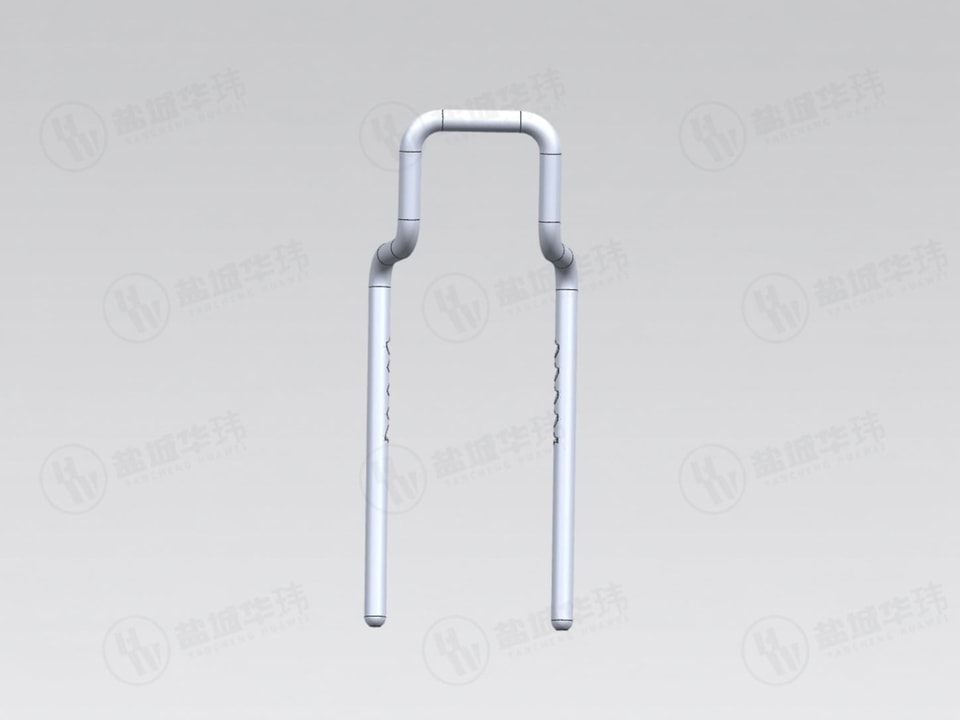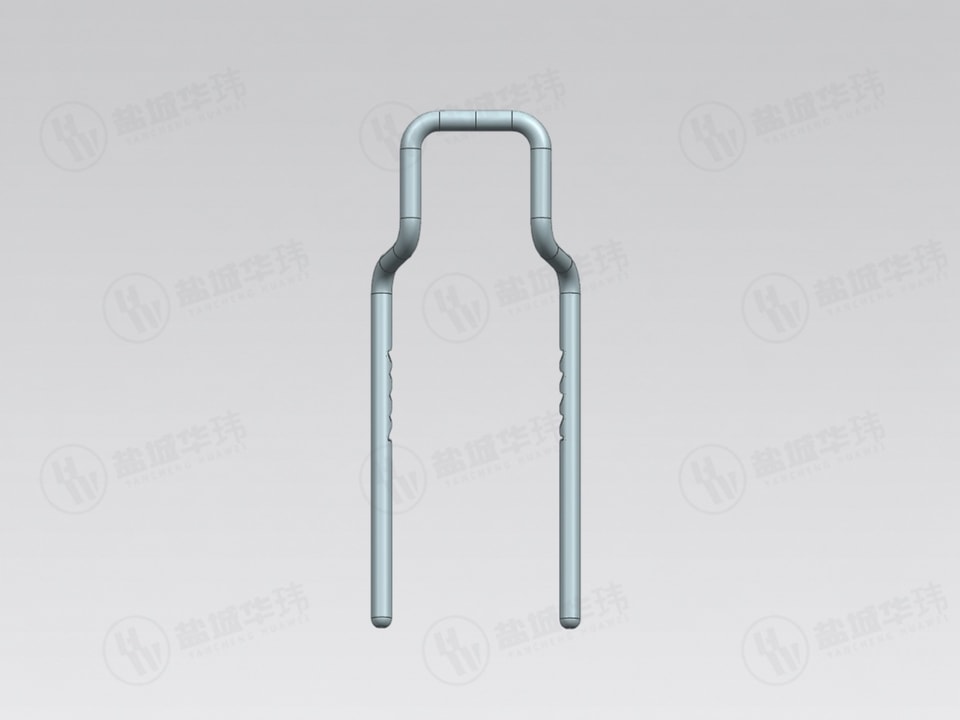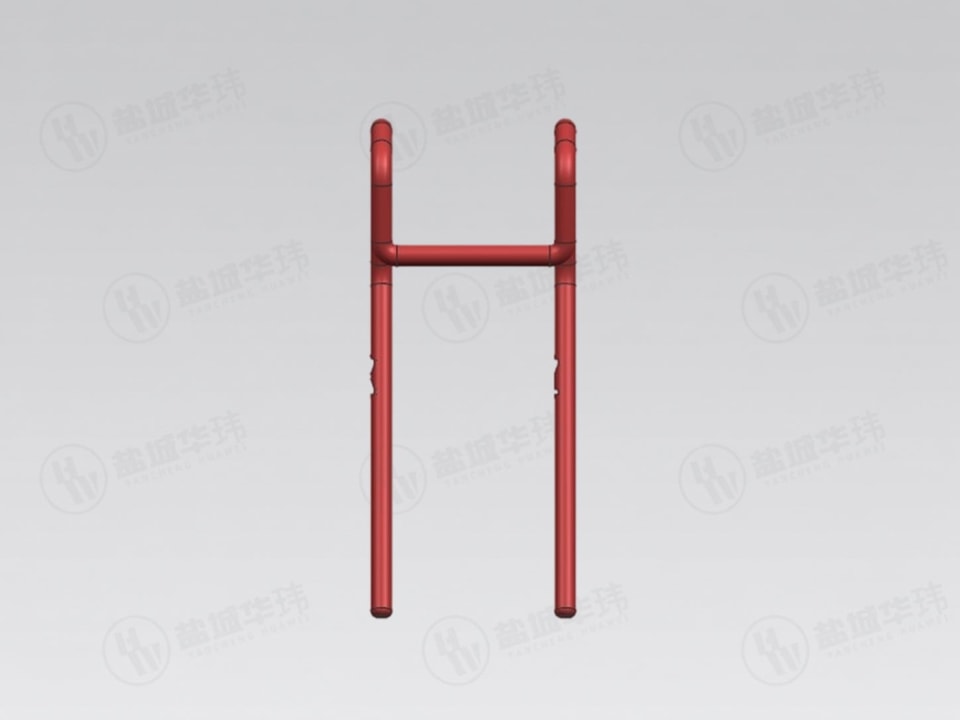
| Parameter | Specification | Remarks |
|---|---|---|
| Product Type | Fixed / Height-Adjustable / Foldable / Multi-Position Adjustable Headrest Frame | Available as Required |
| Main Material | High-Strength Steel | Selected According to Strength Requirements |
| Forming Process | CNC Bending + Stamping | Custom Tooling |
| Welding Process | Robotic Welding | Strong Welds, Minimal Distortion |
| Surface Treatment | Chrome Plating | Rust and Corrosion Resistance |
| Rod Diameter | Customized to Customer and Vehicle Requirements | Multiple Sizes Available |
| Mounting Spacing | Customized to Customer and Vehicle Requirements | Multiple Options Available |
| Adjustment Travel | Customized to Customer Functional Requirements | Height / Folding Adjustment |
| Strength Rating | Meets Applicable International Automotive Headrest Strength Requirements | Impact and Fatigue Resistance |
| Locking Mechanism | Optional Integrated Locking Mechanism | Secures Height Position |
| Damping Components | Optional Spring Damping Components | Enhanced Ride Comfort |
| Target Customers | Vehicle Manufacturers / Tier 1 Seat Suppliers / Aftermarket Retrofit Providers | OEM and Aftermarket Applications |
| Compatible Vehicles | Passenger Cars, New Energy Vehicles, Commercial Vehicles, Buses, and Motorhomes | Suitable for Multiple Vehicle Types |
| Packaging | Protective Inner Packaging + Cartons / Storage Cages (Returnable Wooden Crates Available for Export) | According to Customer Requirements |
Product Overvie
Although relatively small, this component requires careful coordination with the surrounding seat structure. Its geometry must match the headrest, guide sleeves, and any applicable adjustment or retention mechanism. Correct dimensional control helps the assembled headrest move as intended while maintaining a consistent fit within the seatback.
The T18FL4 designation identifies the requested product application. Material grade, dimensions, surface finish, and performance requirements should follow the approved engineering drawing and customer specification. Compatibility must be confirmed against the exact seat version rather than assumed from the vehicle designation alone.
Key Product Features
1. Application-Specific Geometry
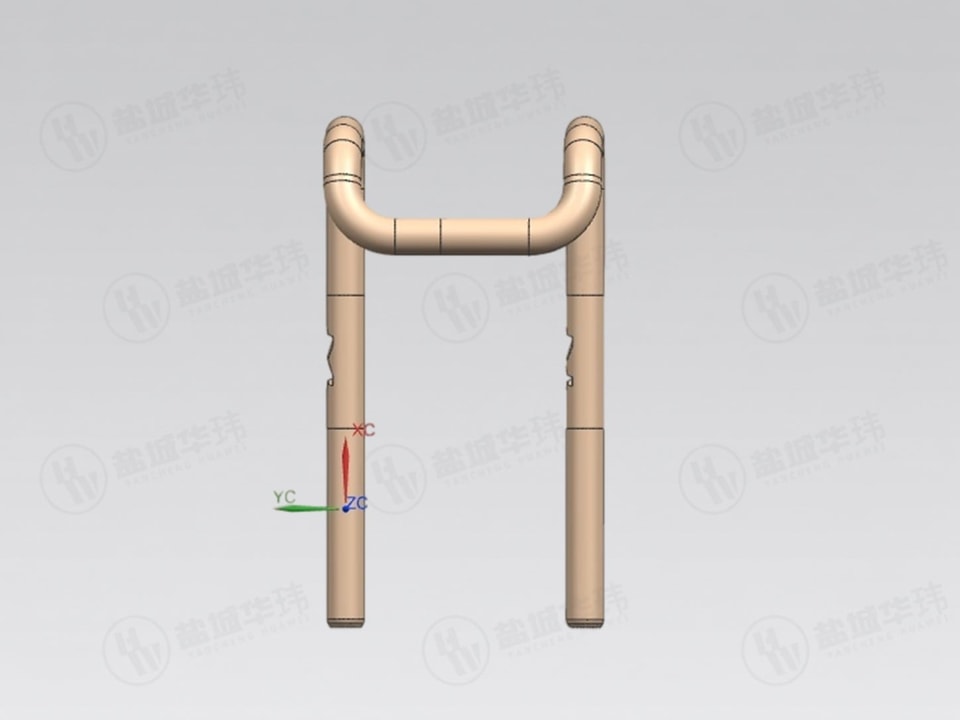
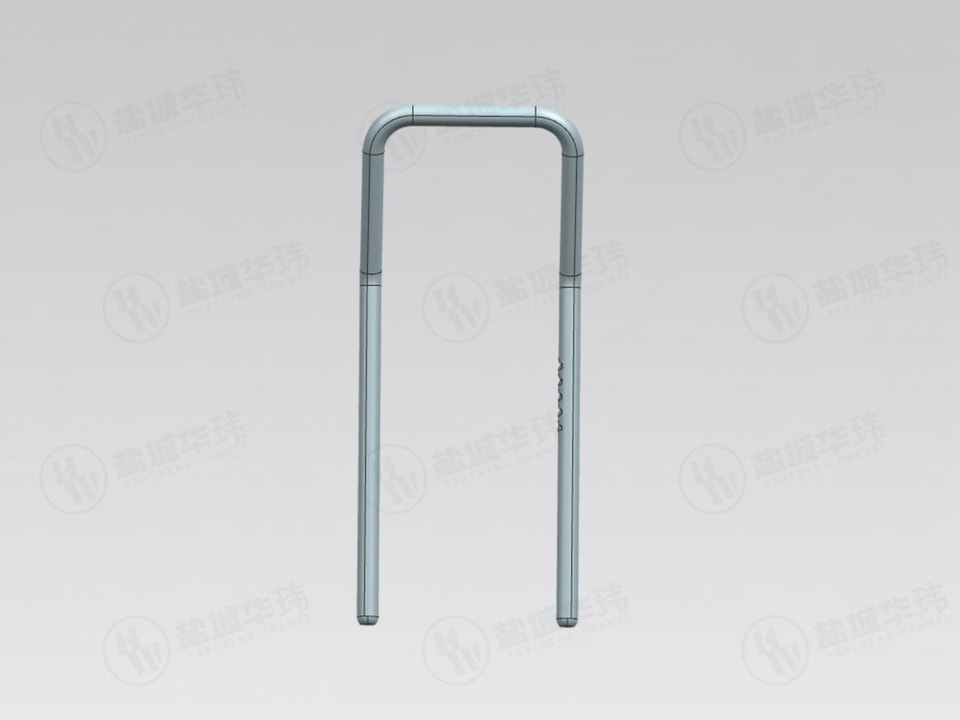
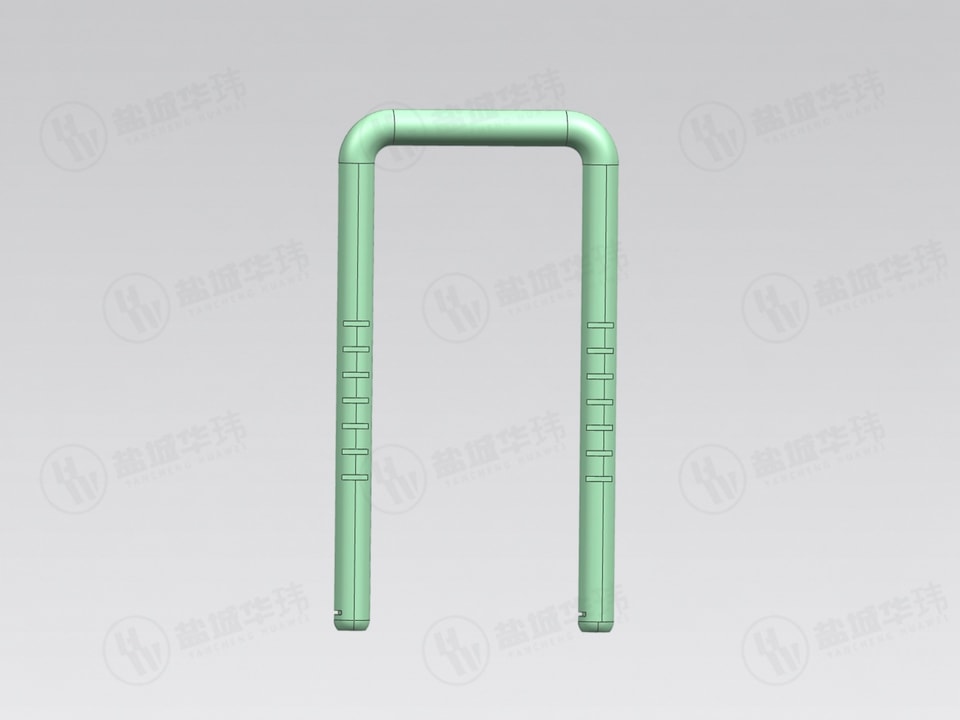
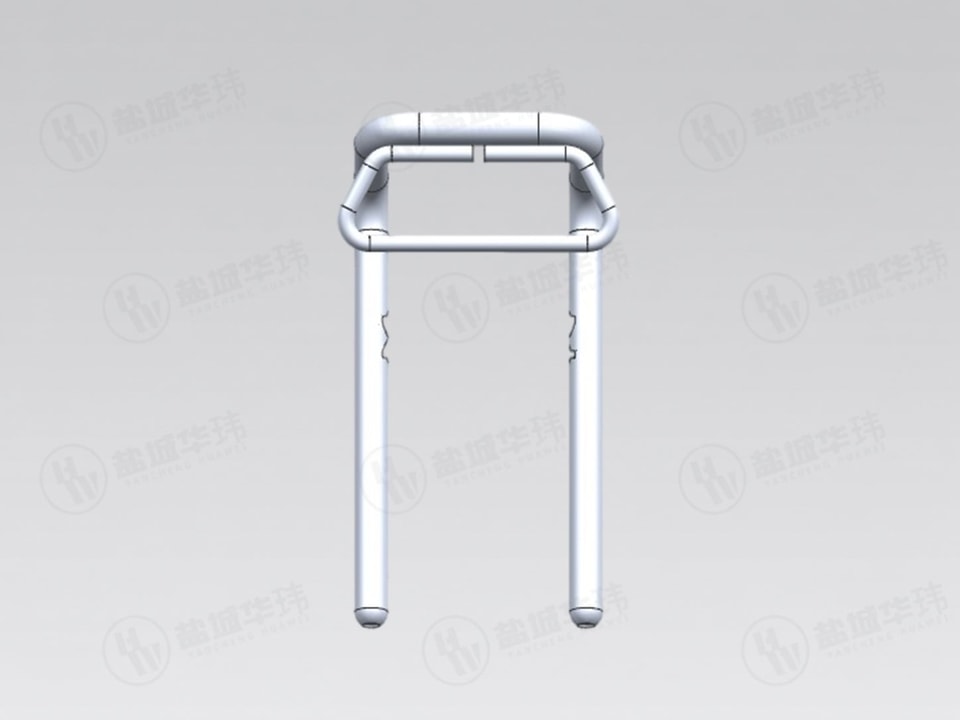
A headrest support rod must fit the available installation space and connect correctly with its mating components. Depending on the approved design, important characteristics may include rod diameter, center spacing, overall height, bend angle, and engagement length.
For a second-row center position, these dimensions also need to accommodate the surrounding seat layout. Consistent geometry helps reduce assembly difficulties and supports repeatable installation during seat production.
2. Controlled Dimensional Accuracy
Dimensional accuracy affects both assembly efficiency and the finished headrest’s operating feel. Variations in straightness, parallelism, or bend position can create unwanted resistance or looseness when the rod enters the guide sleeves.
Production inspection should therefore focus on the drawing’s critical dimensions and reference points. Suitable gauges and measurement methods can help verify conformity before components reach the customer’s assembly line.
3. Suitable Material and Structural Performance
Material selection should reflect the component’s geometry, forming process, joining requirements, and specified mechanical performance. The selected material must be evaluated as part of the complete headrest and seat system.
A material description alone does not establish product performance. Structural suitability depends on the finished component, manufacturing consistency, and validation against the applicable customer requirements.
4. Controlled Surface Quality
The rod surface interacts with adjacent components and may include areas visible during headrest adjustment. Surface condition therefore matters for appearance, handling, and functional movement.
Depending on the specification, finishing requirements may address roughness, coating coverage, corrosion resistance, or visual consistency. Burrs, sharp edges, scratches, and coating defects should be controlled according to agreed acceptance criteria.
5. Compatibility with Adjustment and Retention Features
Where the headrest design includes height adjustment, the support rod may incorporate features that work with the seat’s locking mechanism. Their location and profile must match the mating system.
Accurate feature positioning helps the mechanism engage as designed. Adjustment travel, locking operation, and removal behavior should be checked on the assembled system rather than assessed from the rod alone.
Manufacturing and Quality Control
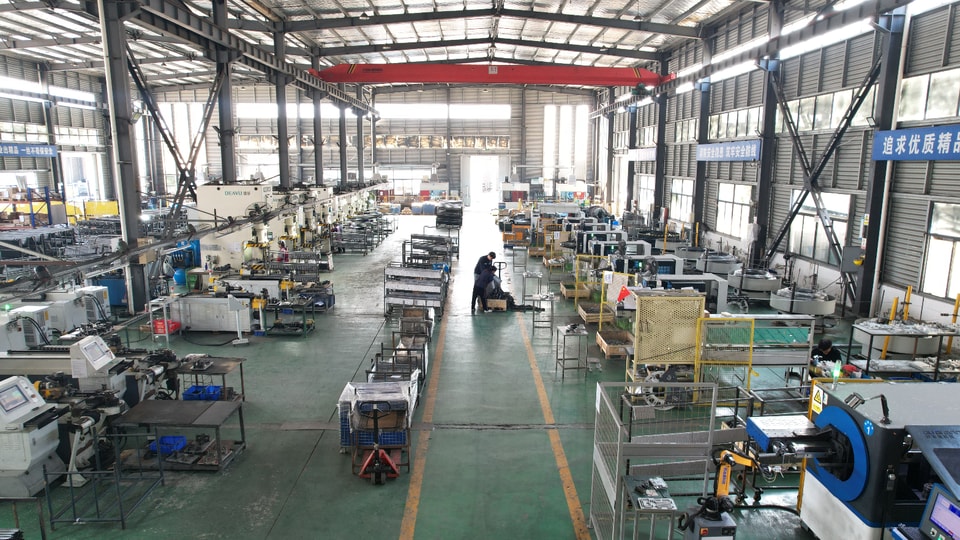
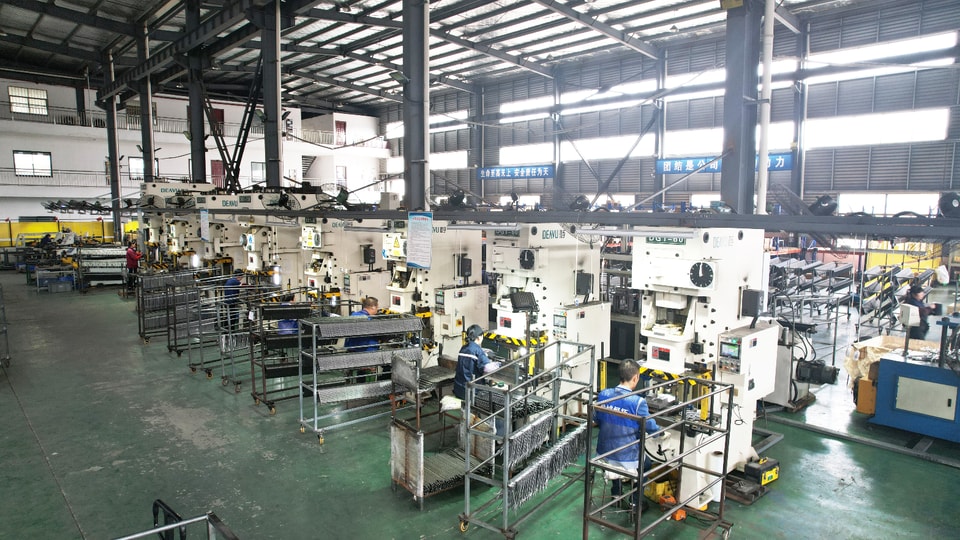
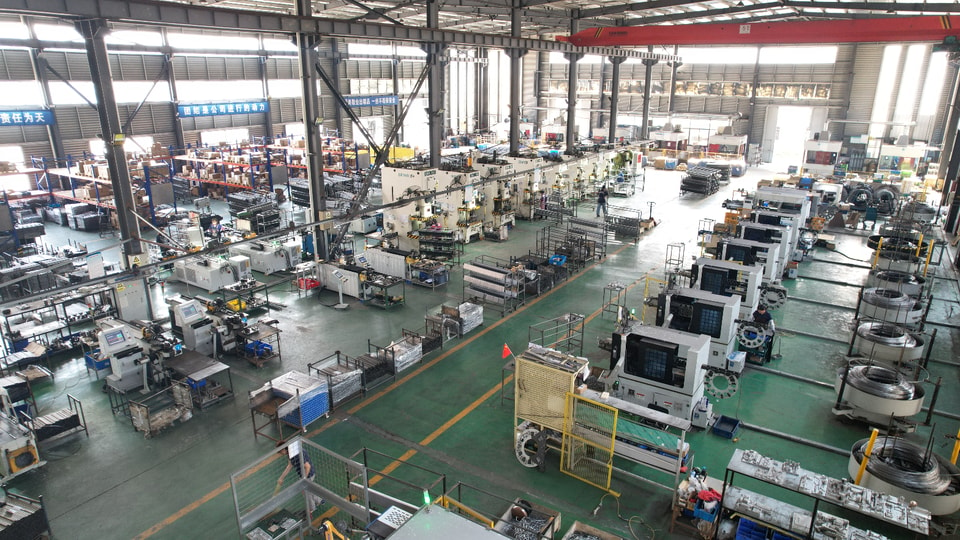
Manufacturing requirements depend on the released product design. A typical production route may include material preparation, cutting, forming, feature machining, joining where required, surface finishing, and final inspection.
Forming control is especially relevant when the rod includes bends. Tooling condition, process settings, and material variation can influence the finished shape. Appropriate process checks help maintain dimensional consistency throughout a production batch.
If welding is specified, joint location and weld quality require defined controls. If a protective finish is required, inspection should confirm that the treated surface meets the agreed appearance and performance criteria.
Final inspection may include dimensional measurement, visual examination, and checks using representative mating parts or dedicated fixtures. Batch identification and inspection records can also support traceability when required by the customer.
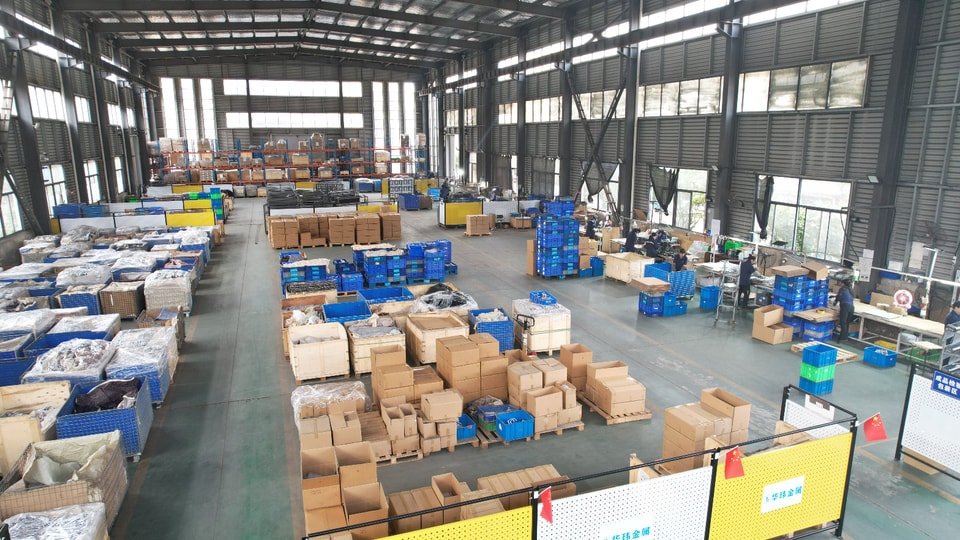
Packaging should protect the finished components from impact, deformation, and surface damage during storage and transport.
Frequently Asked Questions
1. What does “RHD” mean?
RHD means right-hand drive. It identifies the vehicle configuration associated with this product description. Whether the headrest rod differs from a left-hand-drive version must be confirmed through the relevant part numbers and engineering drawings.
2. Is this rod suitable for every T18FL4 seat?
Compatibility should be checked against the specific seat assembly and drawing revision. Different seating configurations or production changes may require different components, even when the broader vehicle designation remains the same.
3. Which dimensions are most important?
Typical critical dimensions include diameter, overall length, rod spacing, bend geometry, and locking-feature positions where applicable. The approved drawing determines which dimensions require special control and establishes their tolerances.
4. Can the material or surface finish be customized?
Material and finishing options can be reviewed against customer requirements. Any proposed change should be evaluated for its effects on forming, assembly, corrosion performance, and system validation before production approval.
5. How is smooth headrest adjustment verified?
Adjustment is best checked using the intended guide sleeves and locking components. Inspection should assess movement, engagement, and any specified operating force. Rod dimensions and surface condition both contribute to the assembled result.
6. What information is needed for a quotation?
Provide the engineering drawing, revision number, material specification, finish requirements, expected order quantity, and inspection criteria. Samples or mating-part information can help clarify requirements when drawings are incomplete.
7. Does the support rod alone establish headrest safety performance?
No. Performance must be assessed within the complete headrest and seat assembly. Any compliance statement should be supported by the applicable test evidence and approved documentation.
Workshop Gallery
Related Products