| Parameter | Specification | Remarks |
|---|---|---|
| Product Type | Fixed / Height-Adjustable / Foldable / Multi-Position Adjustable Headrest Frame | Available as Required |
| Main Material | High-Strength Steel | Selected According to Strength Requirements |
| Forming Process | CNC Bending + Stamping | Custom Tooling |
| Welding Process | Robotic Welding | Strong Welds, Minimal Distortion |
| Surface Treatment | Chrome Plating | Rust and Corrosion Resistance |
| Rod Diameter | Customized to Customer and Vehicle Requirements | Multiple Sizes Available |
| Mounting Spacing | Customized to Customer and Vehicle Requirements | Multiple Options Available |
| Adjustment Travel | Customized to Customer Functional Requirements | Height / Folding Adjustment |
| Strength Rating | Meets Applicable International Automotive Headrest Strength Requirements | Impact and Fatigue Resistance |
| Locking Mechanism | Optional Integrated Locking Mechanism | Secures Height Position |
| Damping Components | Optional Spring Damping Components | Enhanced Ride Comfort |
| Target Customers | Vehicle Manufacturers / Tier 1 Seat Suppliers / Aftermarket Retrofit Providers | OEM and Aftermarket Applications |
| Compatible Vehicles | Passenger Cars, New Energy Vehicles, Commercial Vehicles, Buses, and Motorhomes | Suitable for Multiple Vehicle Types |
| Packaging | Protective Inner Packaging + Cartons / Storage Cages (Returnable Wooden Crates Available for Export) | According to Customer Requirements |
Product Introduction
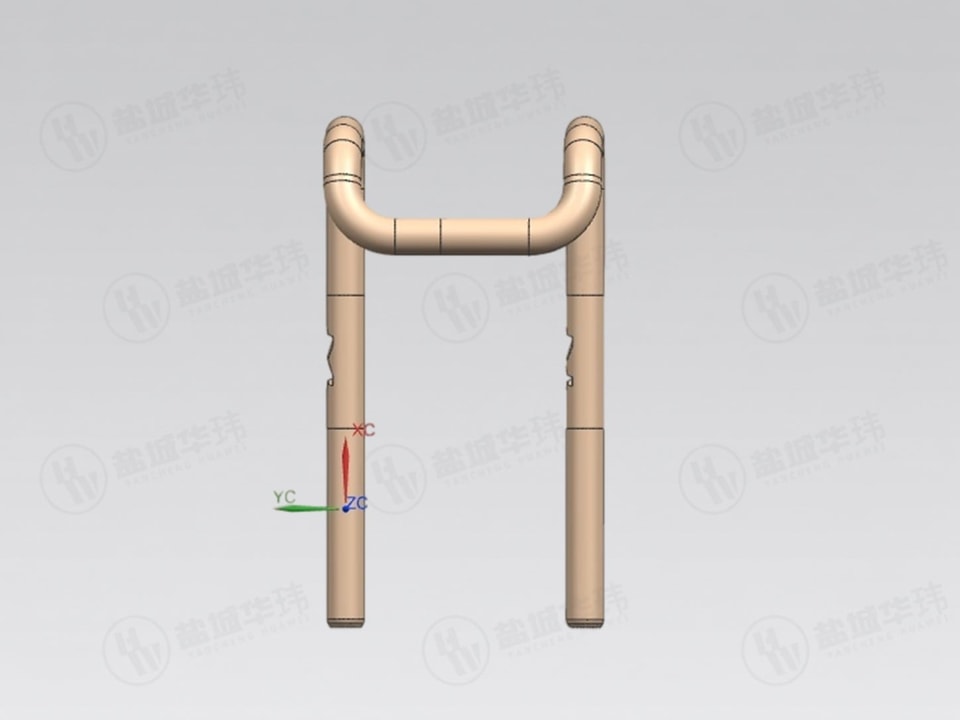
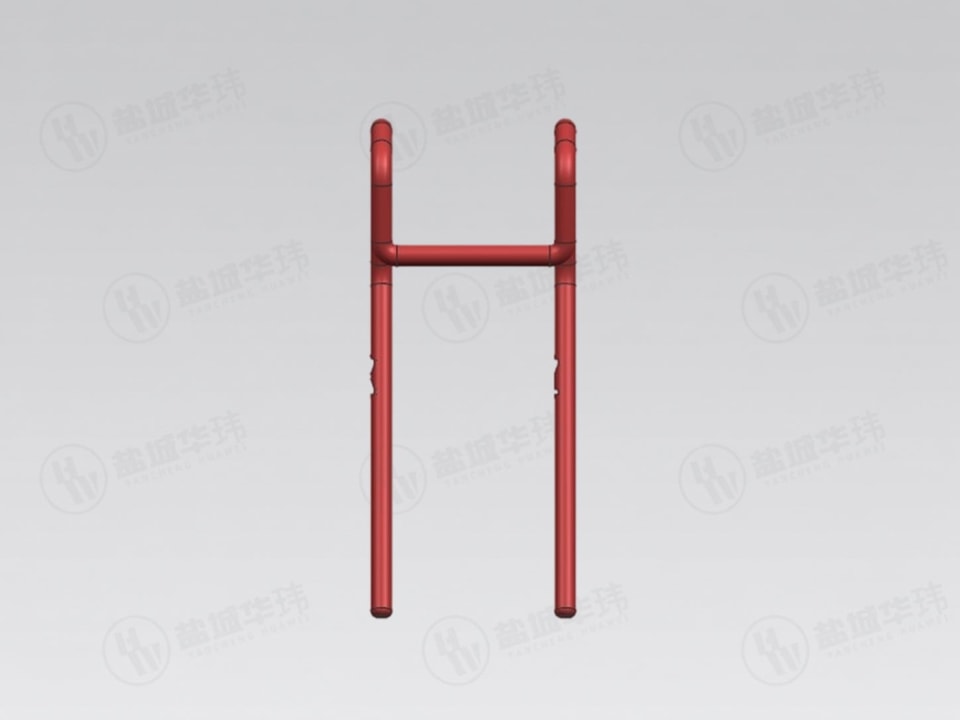
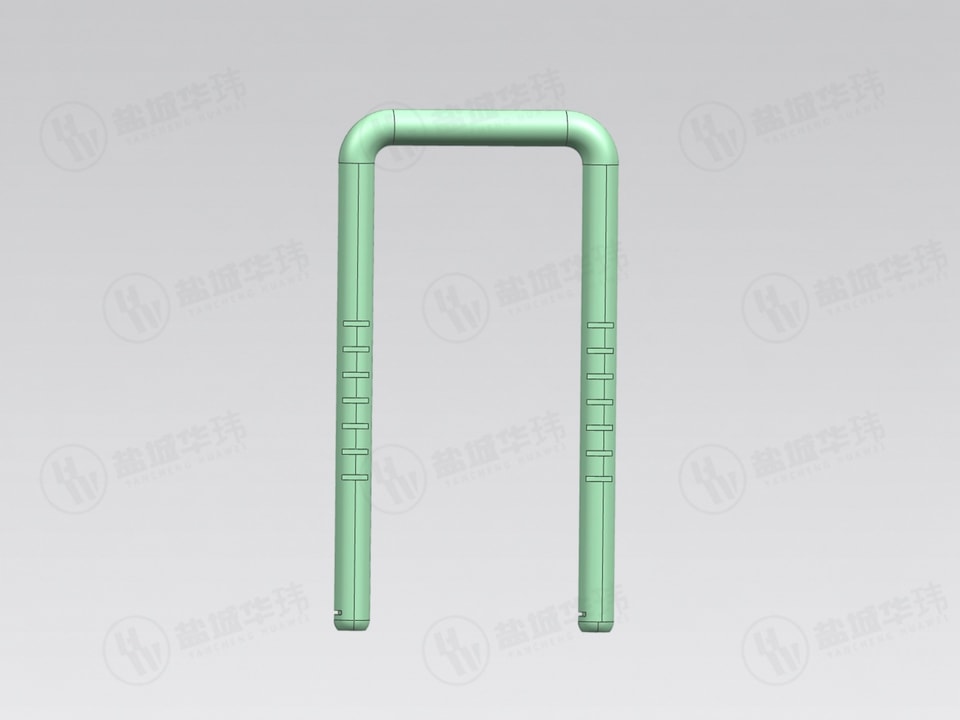
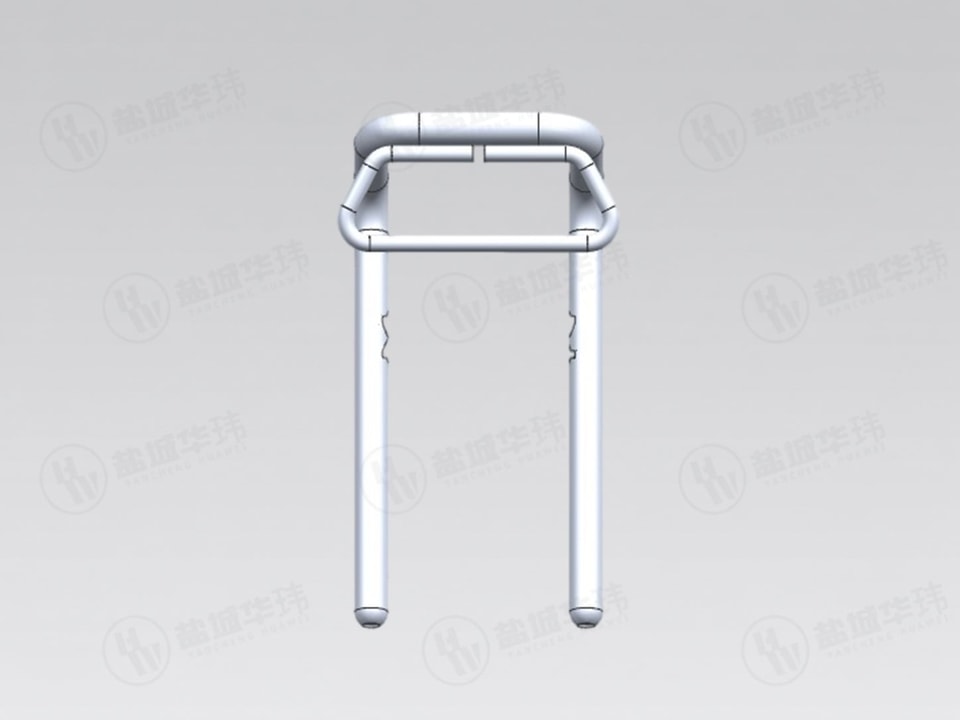
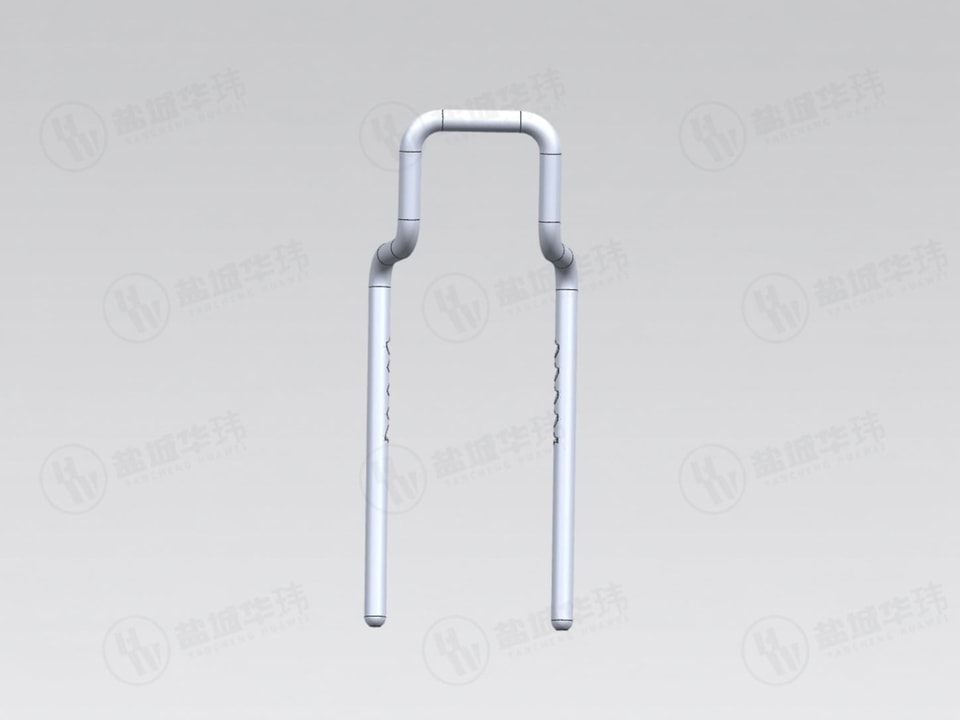
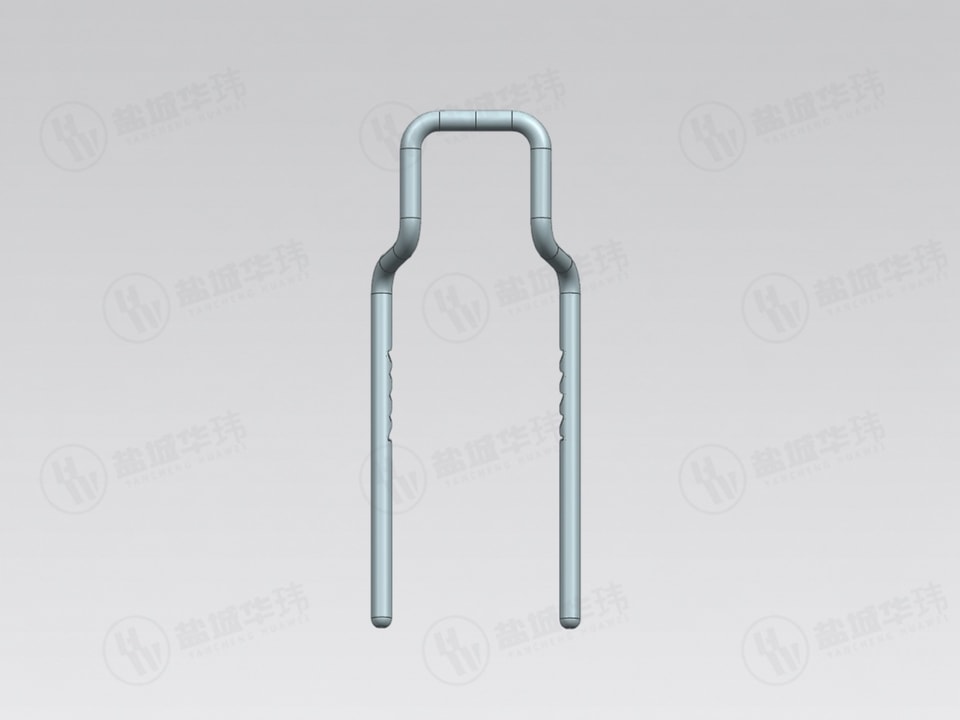
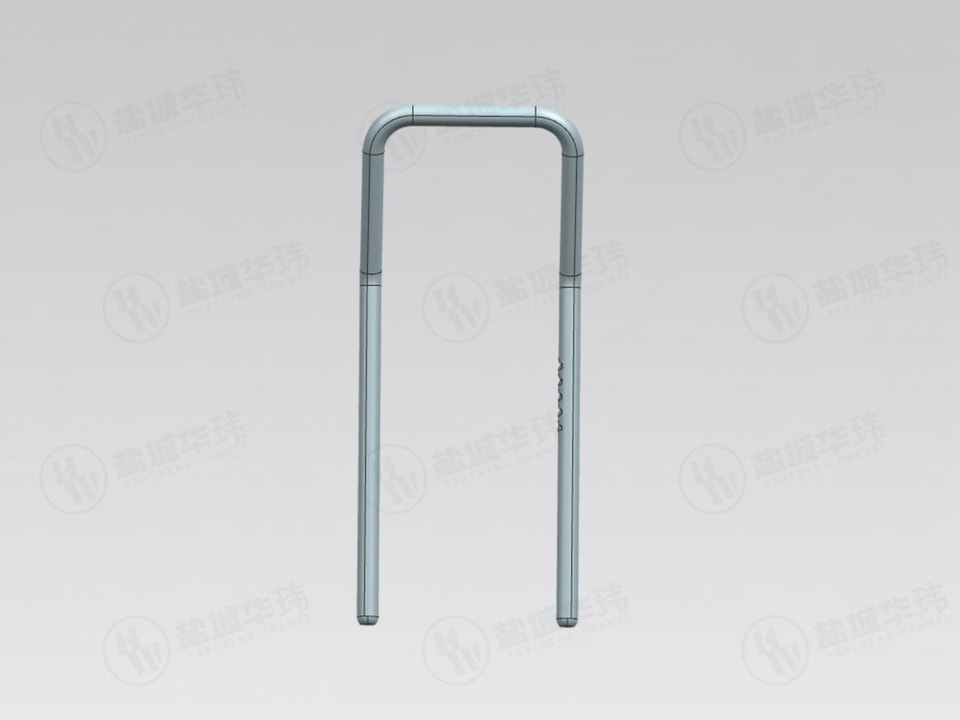
These components are used in different second-row seating configurations, including bench seats and individual seats. Depending on the headrest design, the support structure may consist of separate rods or a formed assembly. Rod dimensions, spacing, bends, and engagement features must match the corresponding headrest and seatback components.
Although headrest rods have a relatively simple appearance, their manufacture requires controlled geometry and consistent surface quality. Material selection, forming accuracy, and finishing requirements should follow the approved engineering specification. Product performance must ultimately be evaluated within the complete headrest and seat assembly.
Main Product Features
1. Application-Specific Structural Design
Second-row headrest rods are designed around the installation requirements of a particular seating system. Important parameters can include rod diameter, overall length, center distance, bend radius, and insertion depth.
Accurate geometry helps the rods align with the seatback guide sleeves. It also supports consistent headrest positioning and reduces the likelihood of interference during assembly. Different seating positions may require different designs, so visual similarity alone does not establish compatibility.
2. Controlled Dimensional Accuracy
Dimensional consistency is essential for repeatable installation and predictable operation. Deviations in straightness, parallelism, or rod spacing can affect how the headrest enters and moves within its guides.
Inspection should focus on the dimensions identified in the approved drawing. Appropriate measuring equipment and checking fixtures can help verify these characteristics throughout production. Consistent dimensional control also helps seat manufacturers maintain stable assembly processes across larger orders.
3. Material Selection for Manufacturing Requirements
The material used for a headrest rod must suit its forming process, joining method, surface treatment, and specified mechanical requirements. Selection should consider both manufacturing feasibility and the performance expected from the finished assembly.
Material grade should be confirmed through customer documentation rather than assumed from appearance. Where required, material certificates and batch records can support traceability and incoming inspection.
4. Consistent Surface Quality
Surface condition affects handling, appearance, and interaction with mating components. Areas that pass through guide sleeves should meet the specified surface requirements to support the intended adjustment behavior.
Depending on the application, rods may require a protective or decorative finish. Inspection can address scratches, burrs, coating defects, and other surface irregularities. Any corrosion-resistance requirement should be defined by an agreed test method and acceptance standard.
5. Integration with Adjustment Mechanisms
Some second-row headrests provide height adjustment, while others use a different positioning arrangement. Where adjustment is included, the rod may have notches or other features that engage with a locking mechanism.
The position and profile of these features must match the mating parts. Their operation should be verified in the assembled system, including adjustment travel, engagement, and any specified release function.
Frequently Asked Questions
1. What is the main function of a second-row headrest rod?
It connects the headrest structure to the seatback mounting system. Together with the guide sleeves and associated mechanisms, it helps position and retain the headrest according to the seat design.
2. Are second-row headrest rods interchangeable between vehicles?
Interchangeability should never be assumed. Differences in diameter, spacing, length, bends, and locking features can prevent correct installation. Compatibility requires verification against the relevant part number, drawing, and seat assembly.
3. Can rod dimensions be customized?
Dimensions can be developed to suit a customer’s seating system. Customization should begin with drawings or clearly defined interface requirements, followed by sample evaluation and approval before production.
4. What affects headrest adjustment smoothness?
Rod geometry, surface condition, guide-sleeve dimensions, and locking-component alignment can all influence adjustment. Checking the complete assembly provides a more useful assessment than inspecting the rod independently.
5. How is product quality checked?
Typical checks include material verification, dimensional inspection, surface examination, and assembly-fit evaluation. Additional tests depend on the customer’s specification and the requirements of the complete seating system.
6. What information is needed when ordering?
Useful information includes the product drawing, revision, material grade, surface finish, quantity, packaging requirements, and inspection criteria. Providing mating-part details can also help clarify installation requirements and reduce development uncertainty.
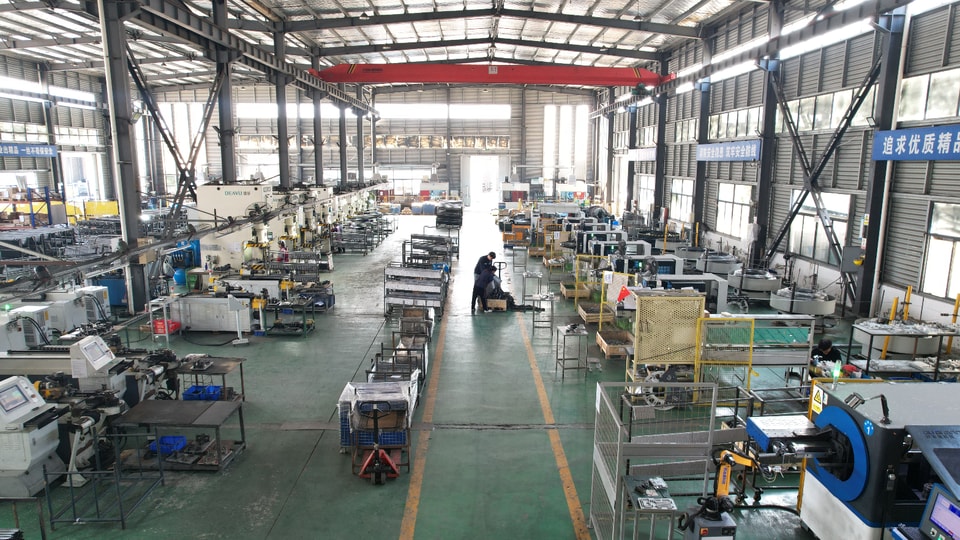
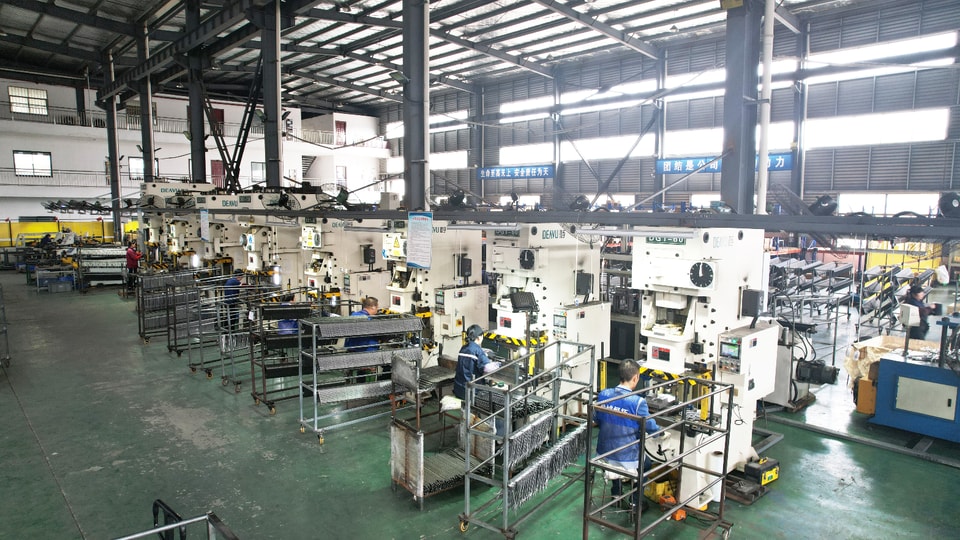
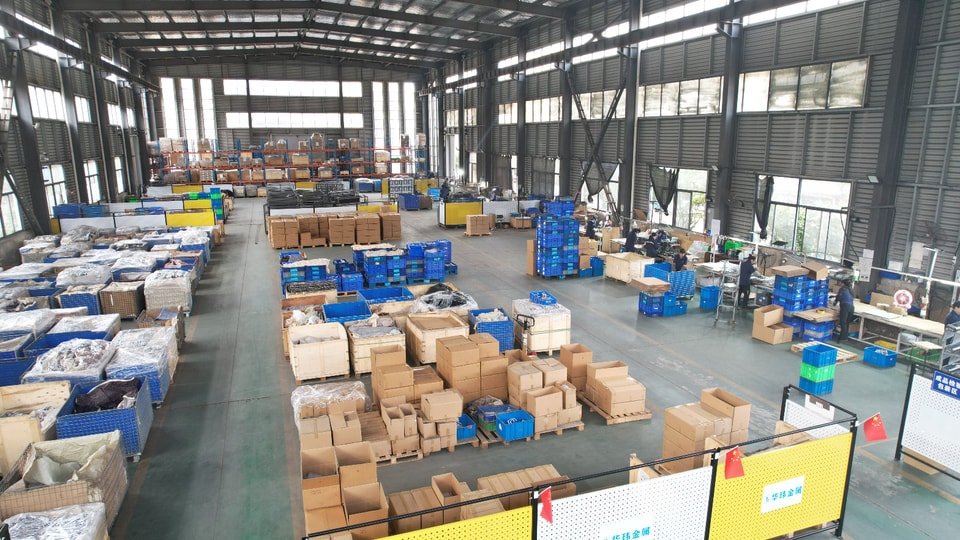
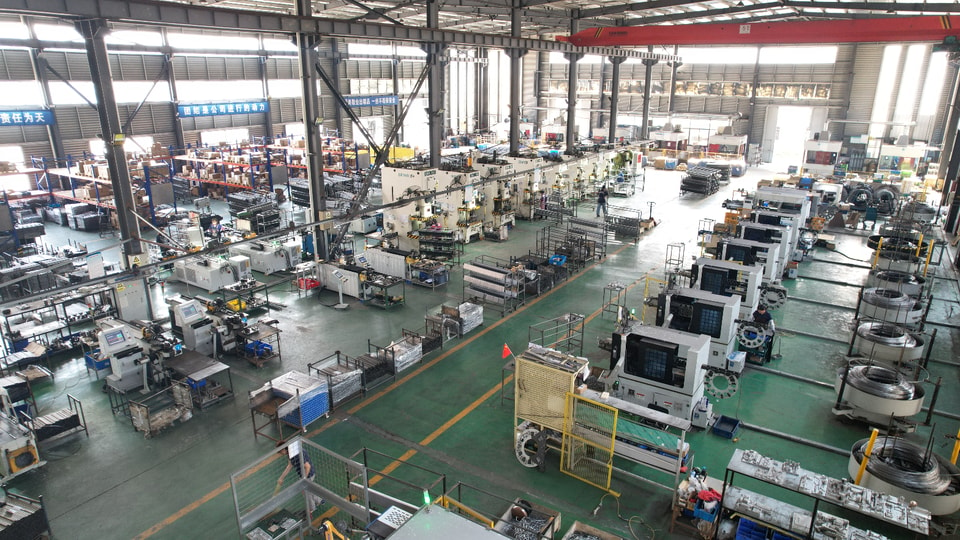
Workshop Gallery
Related Products