| Parameter | Specification | Remarks |
|---|---|---|
| Product Type | Fixed / Height-Adjustable / Foldable / Multi-Position Adjustable Headrest Frame | Available as Required |
| Main Material | High-Strength Steel | Selected According to Strength Requirements |
| Forming Process | CNC Bending + Stamping | Custom Tooling |
| Welding Process | Robotic Welding | Strong Welds, Minimal Distortion |
| Surface Treatment | Chrome Plating | Rust and Corrosion Resistance |
| Rod Diameter | Customized to Customer and Vehicle Requirements | Multiple Sizes Available |
| Mounting Spacing | Customized to Customer and Vehicle Requirements | Multiple Options Available |
| Adjustment Travel | Customized to Customer Functional Requirements | Height / Folding Adjustment |
| Strength Rating | Meets Applicable International Automotive Headrest Strength Requirements | Impact and Fatigue Resistance |
| Locking Mechanism | Optional Integrated Locking Mechanism | Secures Height Position |
| Damping Components | Optional Spring Damping Components | Enhanced Ride Comfort |
| Target Customers | Vehicle Manufacturers / Tier 1 Seat Suppliers / Aftermarket Retrofit Providers | OEM and Aftermarket Applications |
| Compatible Vehicles | Passenger Cars, New Energy Vehicles, Commercial Vehicles, Buses, and Motorhomes | Suitable for Multiple Vehicle Types |
| Packaging | Protective Inner Packaging + Cartons / Storage Cages (Returnable Wooden Crates Available for Export) | According to Customer Requirements |
Product Introduction
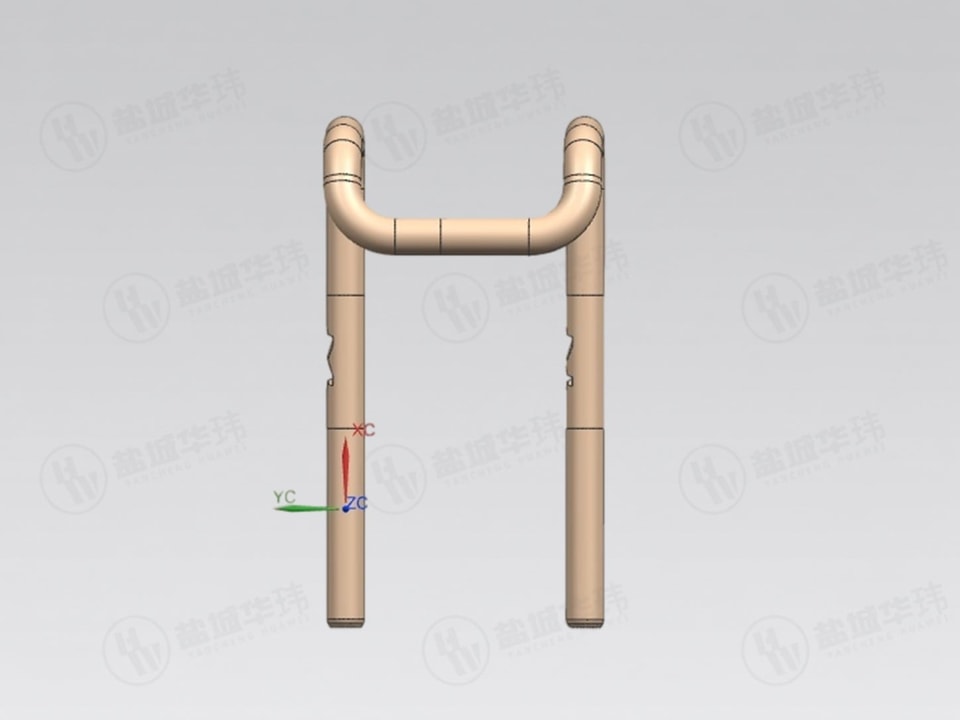
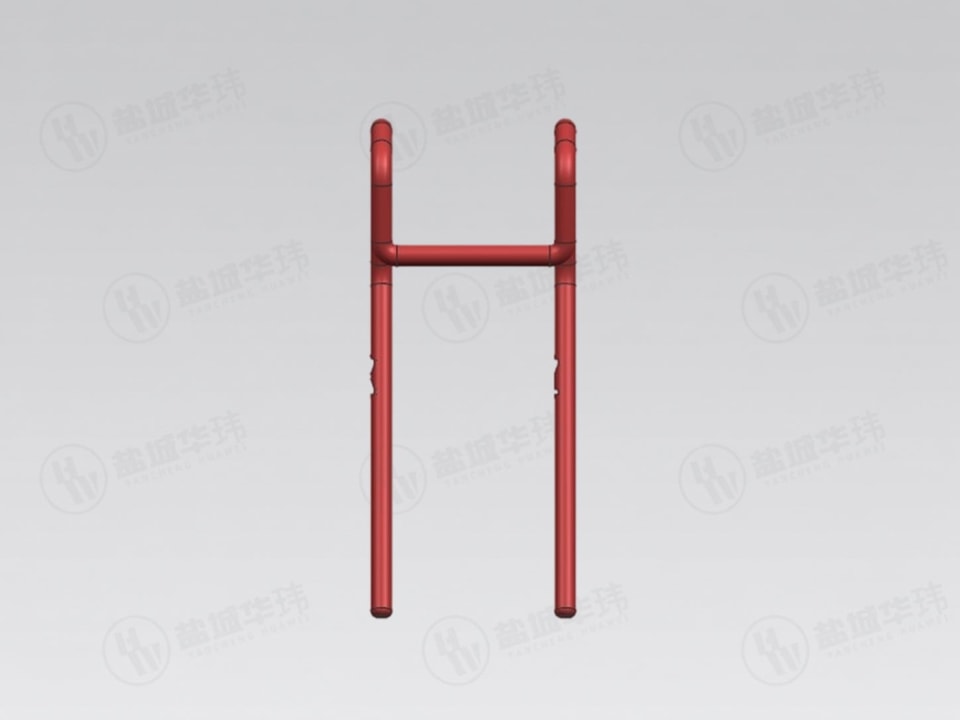
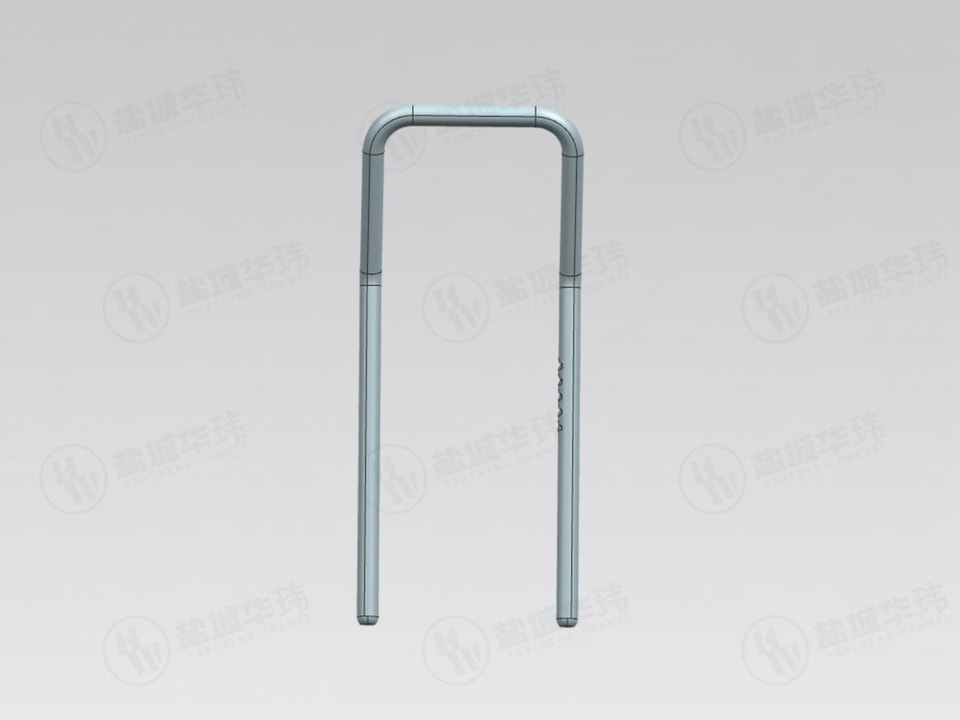
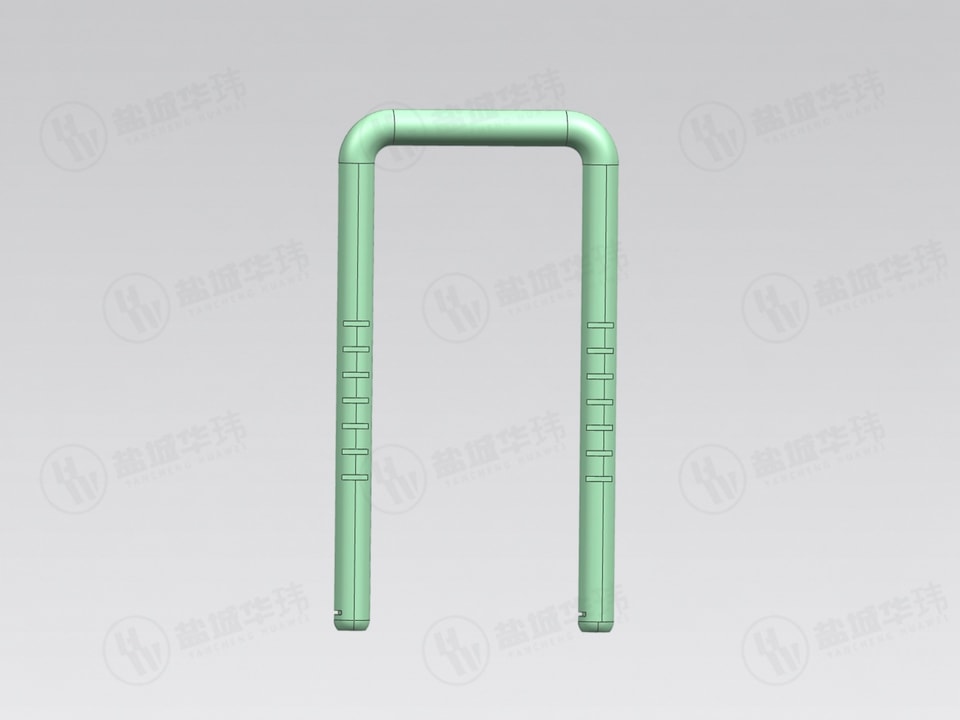
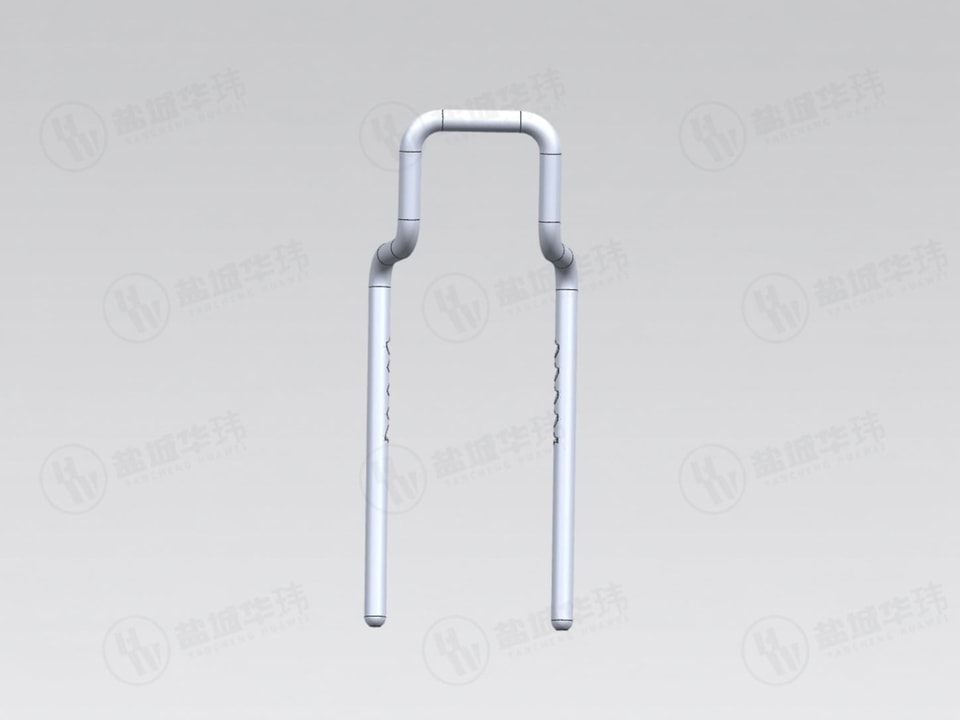
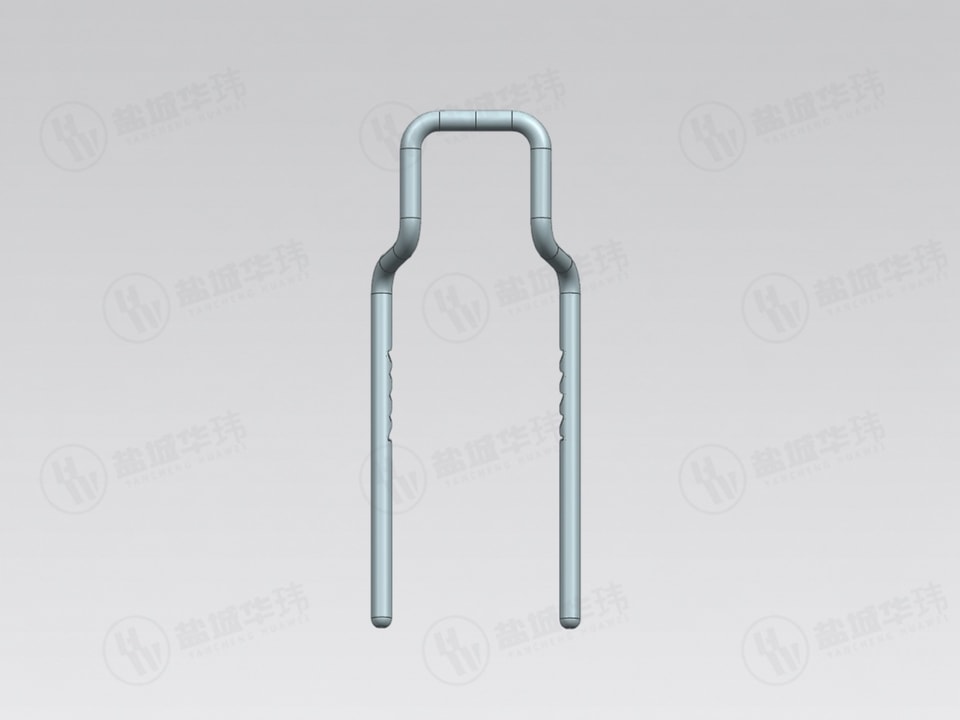
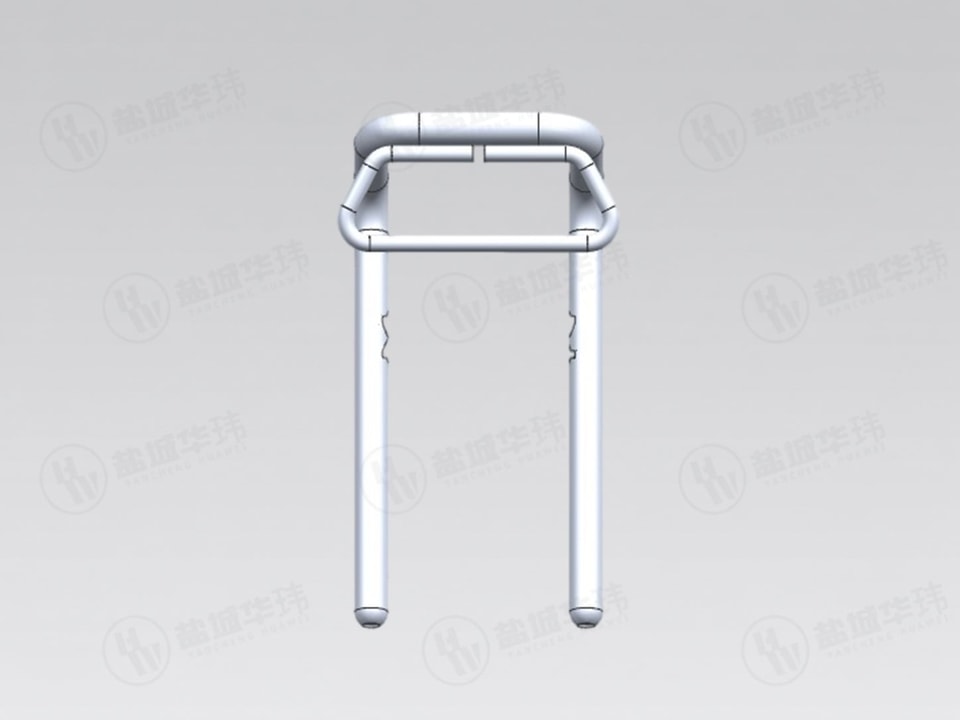
Developed for the middle seating position, this component must match the headrest structure, guide sleeve spacing, and available installation space. Its configuration may include formed rods, connecting sections, and engagement features. Dimensions, materials, surface finishes, and acceptance criteria are defined by the approved engineering drawing and customer requirements.
Product Features
Accurate Installation Geometry
Rod diameter, spacing, straightness, and insertion length influence installation quality. Consistent geometry helps the assembly align with the seatback guides and supports repeatable fitting during production. Bend positions and connection points must also match the surrounding headrest structure.
Coordinated Assembly Construction
The relationship between individual components is as important as their separate dimensions. Where the design includes joined elements, their orientation and connection locations require careful control. A correctly manufactured assembly maintains the specified geometry throughout handling, finishing, and installation.
Controlled Surface Quality
The insertion surfaces interact directly with guide sleeves and related parts. Their condition can influence fit, movement, and handling. Surface inspection should address burrs, scratches, rough areas, and finishing defects according to agreed criteria. Any protective treatment must suit the specified material and application.
Compatibility with Retention Features
Some designs incorporate notches or other features that engage with a locking mechanism. Their shape and location must correspond to the mating components. Correct engagement should be verified using representative parts, including checks for adjustment and release functions where these are provided.
Specification-Based Customization
The assembly can be developed around a defined seating application. Customization may involve dimensions, geometry, material selection, joining methods, or surface treatment. Proposed changes should be reviewed against installation requirements and validated before production approval.
Manufacturing and Quality Control
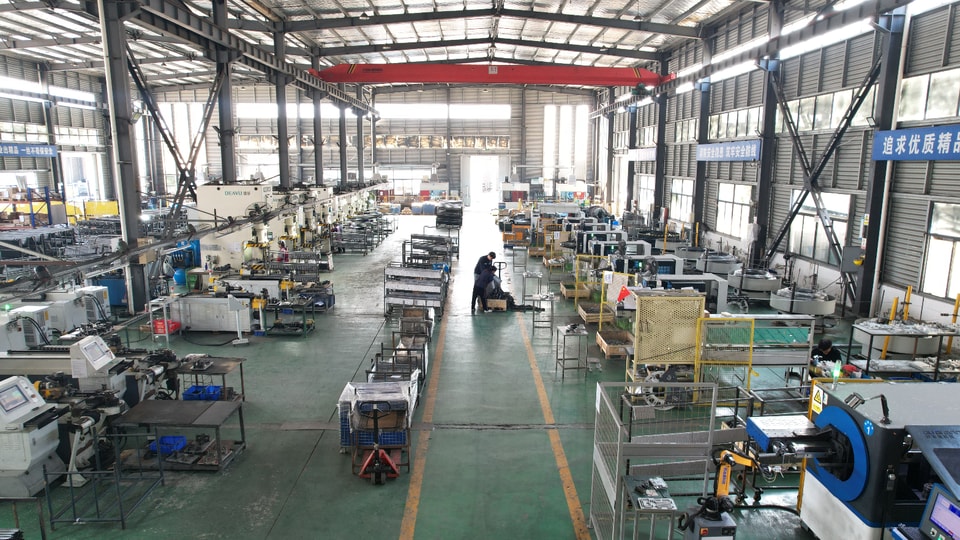
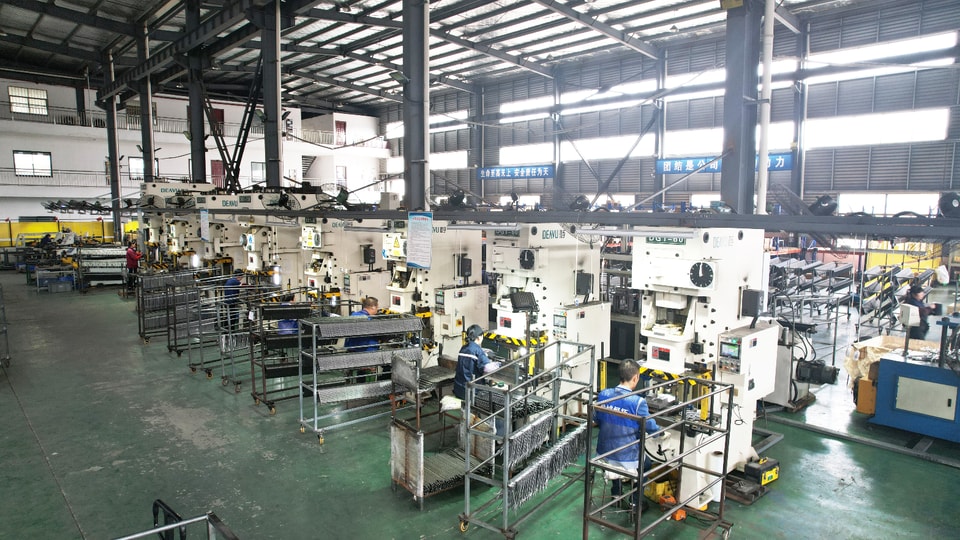
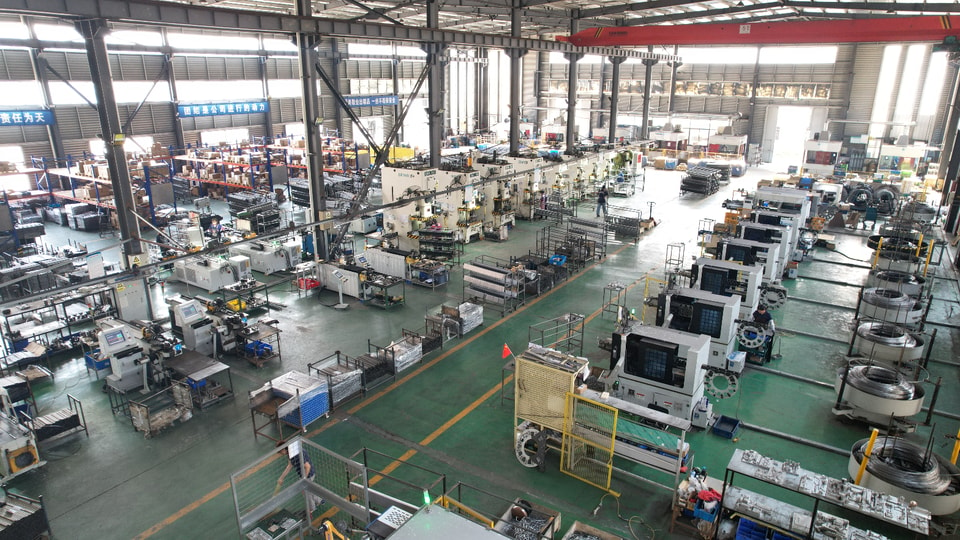
Manufacturing may involve cutting, forming, machining, joining, and surface finishing. The sequence depends on the released design. Process controls should maintain the dimensions and surface condition needed for subsequent operations.
Forming checks help control bend geometry and alignment. Where welding is specified, inspection should address joint condition, position, and resulting dimensional variation. Final checks may include fixture inspection, measurement, visual examination, and assembly trials.
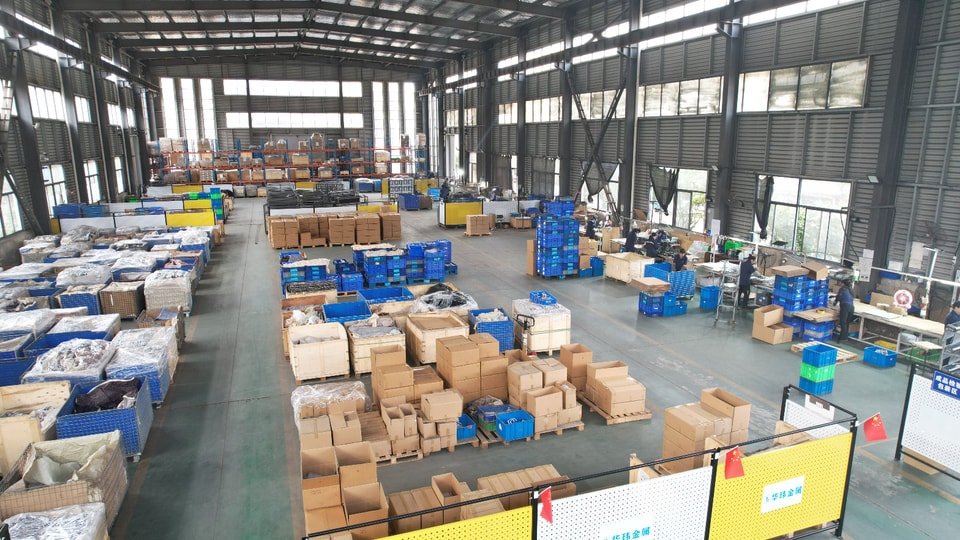
Batch identification and material documentation can support traceability when required. Protective packaging helps prevent deformation and surface damage during storage and transportation.
Frequently Asked Questions
1. What is the assembly’s main function?
It provides the connection between the center headrest and the seatback guide system. Working with mating components, it supports the headrest’s specified installation and retention arrangement.
2. Is it interchangeable between vehicle models?
Interchangeability requires verification. Similar appearance does not confirm matching dimensions or locking features. Check the part number, drawing revision, and intended seat assembly before selecting a replacement.
3. Which dimensions are most important?
Typical interface dimensions include rod diameter, center spacing, insertion length, bend geometry, and engagement-feature location. The engineering drawing identifies the critical characteristics and their permitted tolerances.
4. Can materials and finishes be customized?
They can be reviewed against customer specifications. Selection should consider forming, joining, guide compatibility, appearance, and corrosion requirements. Any change requires appropriate evaluation before release.
5. What affects installation and adjustment?
Rod alignment, dimensional consistency, surface condition, and mating-part tolerances all contribute. Functional checks on the complete assembly help identify interference, excessive resistance, or incorrect engagement.
6. What information is needed for quotation?
Provide drawings, revision details, material and finish requirements, quantities, inspection criteria, and packaging needs. Reference samples or mating-part details can help clarify interfaces when documentation is incomplete.
7. How is performance confirmed?
Component inspection verifies conformity to the drawing. Functional and structural performance must be assessed within the relevant headrest and seat system using the customer’s specified validation requirements.
8. How should assemblies be packaged?
Packaging should protect insertion surfaces and prevent bending or contact damage. Separators, protective sleeves, or suitable containers may be selected according to component geometry and customer requirements.
Workshop Gallery
Related Products