| Parameter | Specification | Remarks |
|---|---|---|
| Product Type | Fixed / Height-Adjustable / Foldable / Multi-Position Adjustable Headrest Frame | Available as Required |
| Main Material | High-Strength Steel | Selected According to Strength Requirements |
| Forming Process | CNC Bending + Stamping | Custom Tooling |
| Welding Process | Robotic Welding | Strong Welds, Minimal Distortion |
| Surface Treatment | Chrome Plating | Rust and Corrosion Resistance |
| Rod Diameter | Customized to Customer and Vehicle Requirements | Multiple Sizes Available |
| Mounting Spacing | Customized to Customer and Vehicle Requirements | Multiple Options Available |
| Adjustment Travel | Customized to Customer Functional Requirements | Height / Folding Adjustment |
| Strength Rating | Meets Applicable International Automotive Headrest Strength Requirements | Impact and Fatigue Resistance |
| Locking Mechanism | Optional Integrated Locking Mechanism | Secures Height Position |
| Damping Components | Optional Spring Damping Components | Enhanced Ride Comfort |
| Target Customers | Vehicle Manufacturers / Tier 1 Seat Suppliers / Aftermarket Retrofit Providers | OEM and Aftermarket Applications |
| Compatible Vehicles | Passenger Cars, New Energy Vehicles, Commercial Vehicles, Buses, and Motorhomes | Suitable for Multiple Vehicle Types |
| Packaging | Protective Inner Packaging + Cartons / Storage Cages (Returnable Wooden Crates Available for Export) | According to Customer Requirements |
Product Introduction
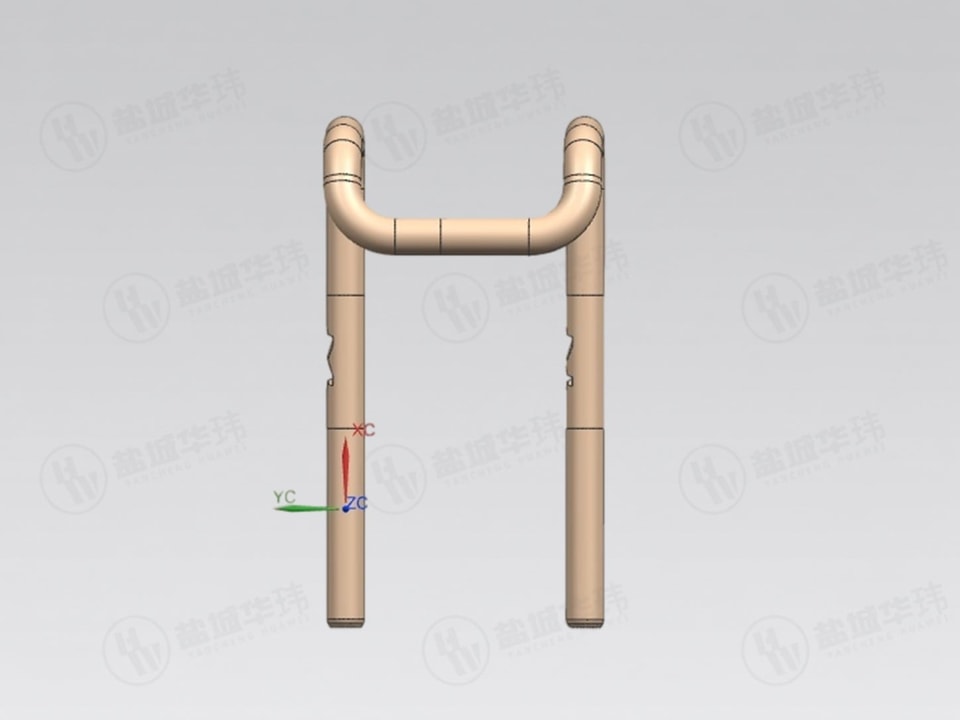
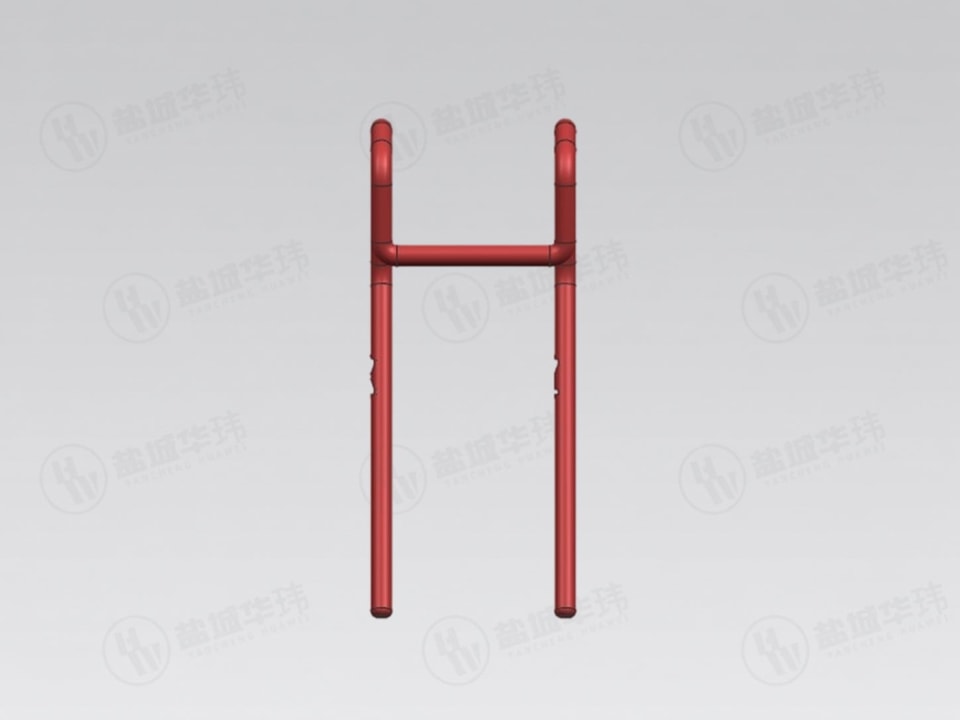
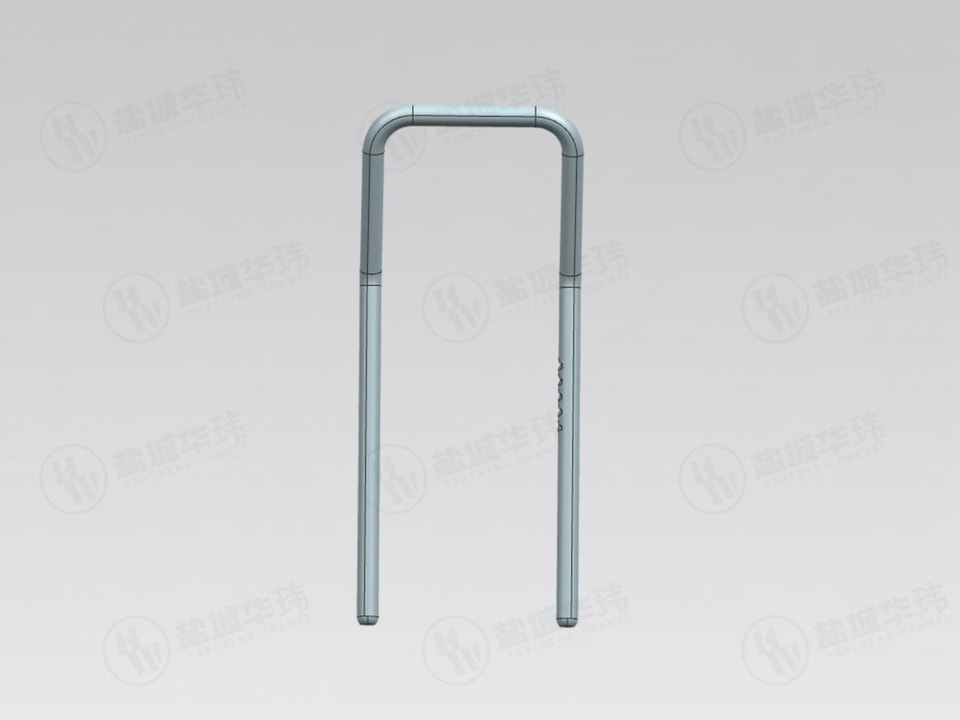
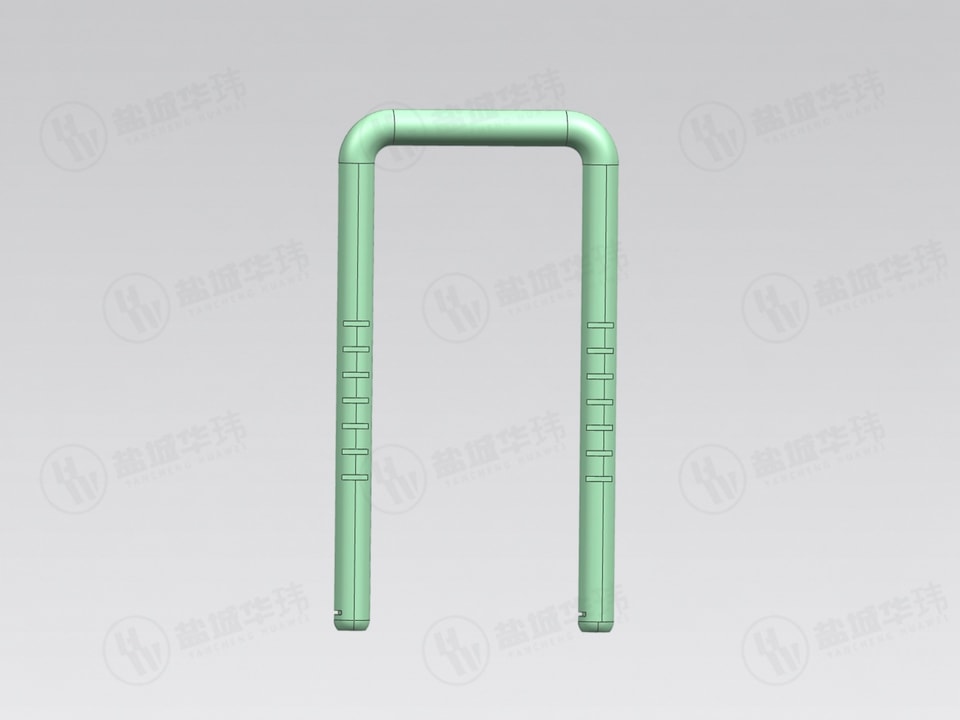
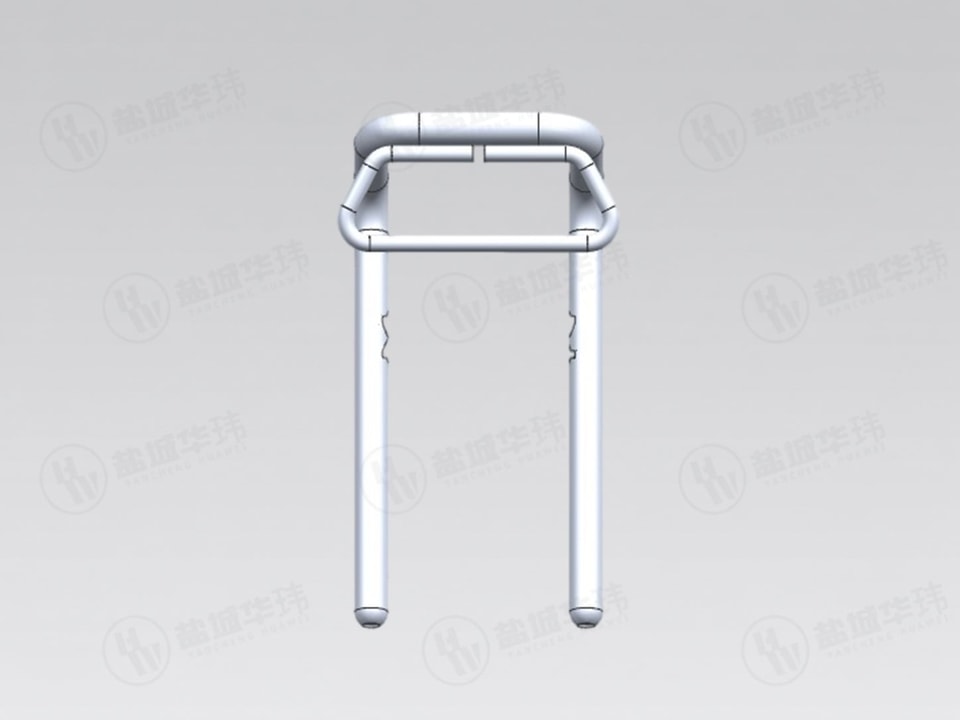
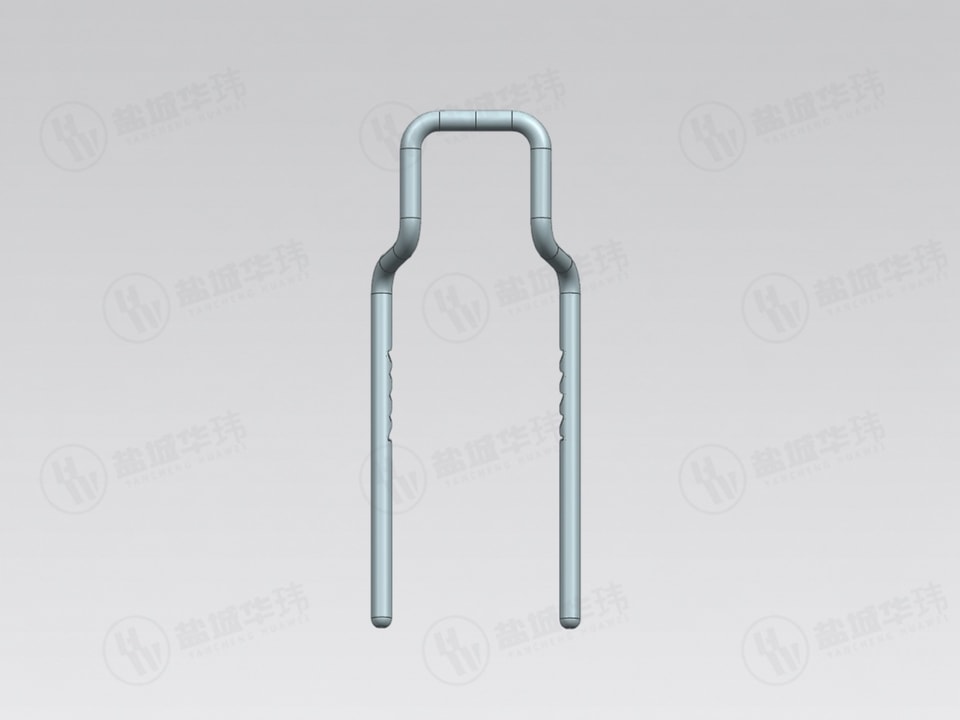
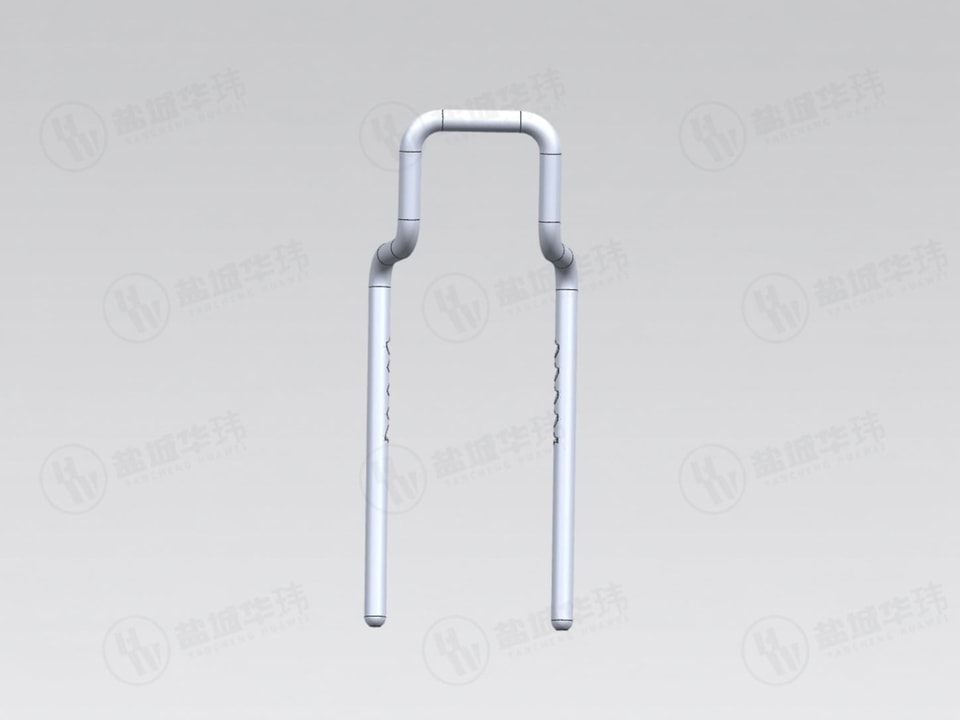
Seven-seat vehicles feature different second-row layouts, including bench seats and individual seats. Headrest rod designs therefore vary according to seating position, headrest shape, and available installation space. Material, dimensions, surface finish, and functional features should follow the approved engineering drawing for each application.
Key Features
Accurate Fit and Alignment
Rod diameter, center spacing, straightness, and insertion length influence installation quality. Consistent dimensions help the rods align with the guide sleeves and support repeatable assembly. Bend geometry must also match the headrest structure without creating interference with surrounding components.
Compatibility with Seat Functions
Second-row seats may provide sliding, reclining, or folding functions. The headrest rods must fit the specified seating system and accommodate its intended operation. Any clearance requirements should be checked using the complete seat assembly during development and validation.
Controlled Surface Quality
The rod surfaces interact with guide sleeves and may remain visible during adjustment. Smooth, properly finished surfaces support the specified fit and appearance. Inspection should address burrs, scratches, rough areas, and coating defects according to customer acceptance criteria.
Application-Specific Adjustment Features
Adjustable headrests may require notches or other engagement features on the rods. Their position and profile must match the locking components. Functional checks should confirm engagement, adjustment travel, and release behavior where these functions form part of the design.
Custom Manufacturing Options
Rod geometry, material, and finishing requirements can be developed around customer drawings. Proposed modifications should consider manufacturing feasibility, mating-part compatibility, and validation requirements. Sample approval helps establish the correct specification before regular production begins.
Typical Applications
These components are intended for compatible second-row seating systems in seven-seat SUVs, MPVs, and other passenger vehicles. Separate designs may be required for outer and center seating positions, even within the same vehicle.
Headrest manufacturers and seat assemblers can use prototype rods for fit checks and assembly trials. Production components should be supplied against controlled drawings, with packaging that protects their geometry and finished surfaces during transportation.
Frequently Asked Questions
1. Are these rods suitable for every seven-seat vehicle?
No. Compatibility depends on the seat design, rod dimensions, and retention features. The correct part number and drawing should be verified before selection.
2. Can rod dimensions be customized?
Yes, dimensions can be developed to customer requirements. Drawings should specify diameter, spacing, length, bends, tolerances, and relevant engagement features.
3. What materials are available?
Material selection depends on forming, joining, finishing, and mechanical requirements. The approved specification determines the appropriate grade for the intended assembly.
4. What affects headrest adjustment smoothness?
Rod alignment, surface condition, guide-sleeve dimensions, and locking-component fit all contribute. Evaluation should use the intended mating parts.
5. How is quality checked?
Typical checks include dimensional measurement, visual inspection, and fit evaluation. Additional testing follows the customer’s specification and system requirements.
6. What information is needed for a quotation?
Provide drawings, revision details, material and finish requirements, quantities, inspection criteria, and packaging needs. Samples can help clarify installation interfaces.
7. How is structural performance confirmed?
Performance must be assessed within the complete headrest and seat system. Component inspection verifies drawing conformity, while system validation establishes the relevant performance results.
8. How should finished rods be packaged?
Protective separators or sleeves can prevent contact damage. Packaging should also limit movement and bending, according to component geometry and customer handling requirements.
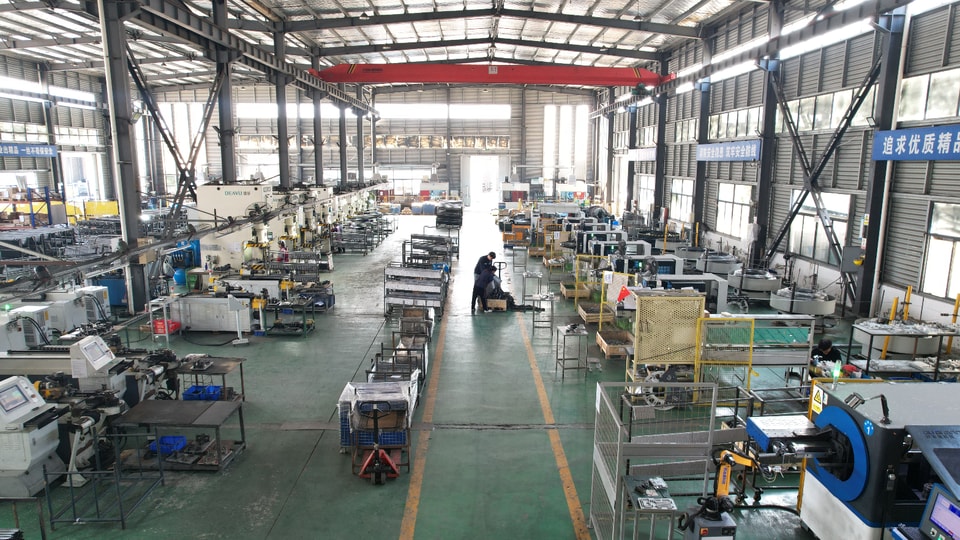
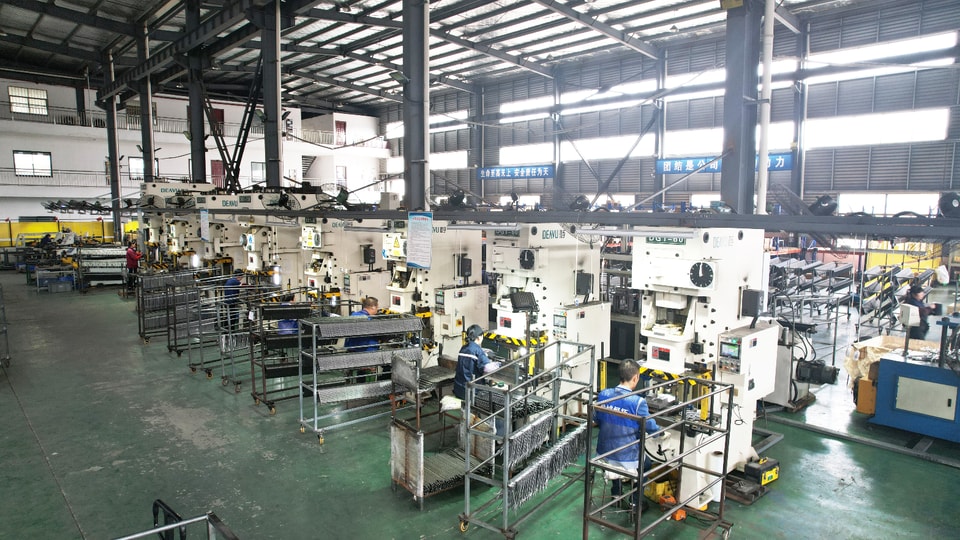
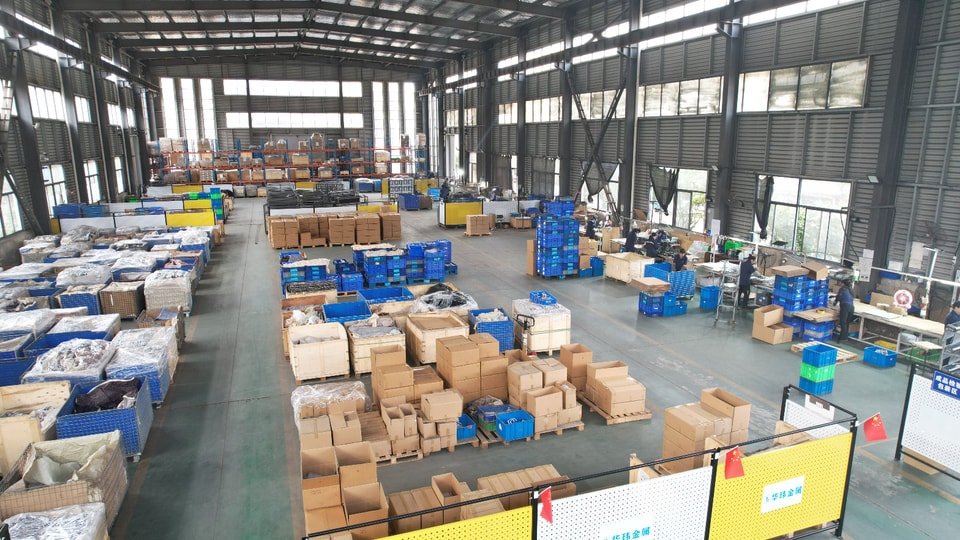
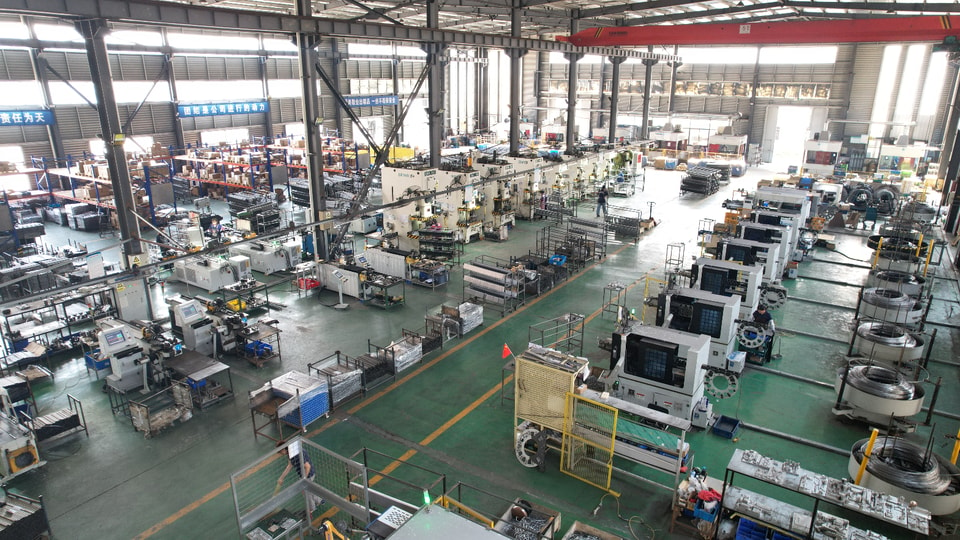
Workshop Gallery
Related Products