| Parameter | Specification | Remarks |
|---|---|---|
| Product Type | Fixed / Height-Adjustable / Foldable / Multi-Position Adjustable Headrest Frame | Available as Required |
| Main Material | High-Strength Steel | Selected According to Strength Requirements |
| Forming Process | CNC Bending + Stamping | Custom Tooling |
| Welding Process | Robotic Welding | Strong Welds, Minimal Distortion |
| Surface Treatment | Chrome Plating | Rust and Corrosion Resistance |
| Rod Diameter | Customized to Customer and Vehicle Requirements | Multiple Sizes Available |
| Mounting Spacing | Customized to Customer and Vehicle Requirements | Multiple Options Available |
| Adjustment Travel | Customized to Customer Functional Requirements | Height / Folding Adjustment |
| Strength Rating | Meets Applicable International Automotive Headrest Strength Requirements | Impact and Fatigue Resistance |
| Locking Mechanism | Optional Integrated Locking Mechanism | Secures Height Position |
| Damping Components | Optional Spring Damping Components | Enhanced Ride Comfort |
| Target Customers | Vehicle Manufacturers / Tier 1 Seat Suppliers / Aftermarket Retrofit Providers | OEM and Aftermarket Applications |
| Compatible Vehicles | Passenger Cars, New Energy Vehicles, Commercial Vehicles, Buses, and Motorhomes | Suitable for Multiple Vehicle Types |
| Packaging | Protective Inner Packaging + Cartons / Storage Cages (Returnable Wooden Crates Available for Export) | According to Customer Requirements |
Product Introduction
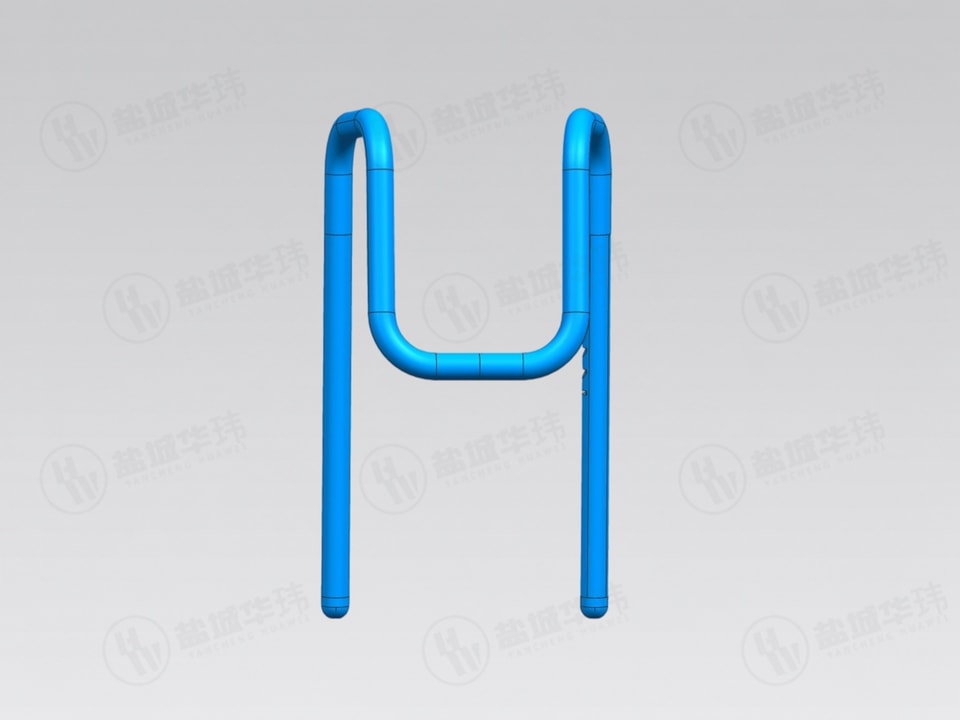
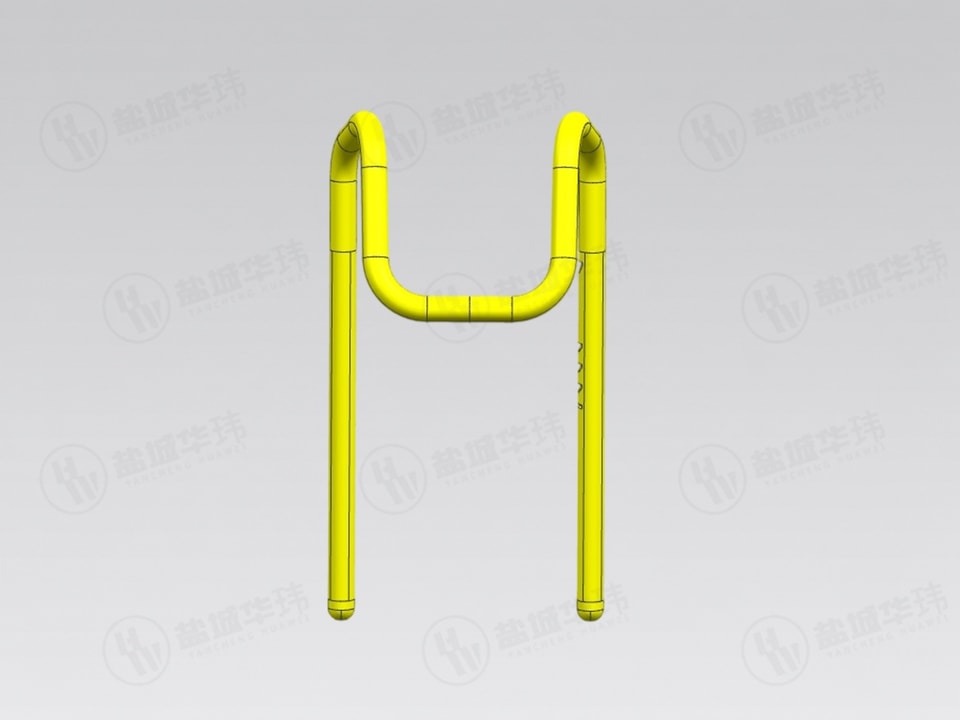
The R13 designation identifies a bend radius requirement that must be interpreted according to the engineering drawing. Rod diameter, wall thickness, bend angle, spacing, and overall dimensions remain application-specific. Manufacturing and inspection should follow the approved specification rather than treating R13 as a complete description of the component.
Key Product Features
Defined Bend Geometry
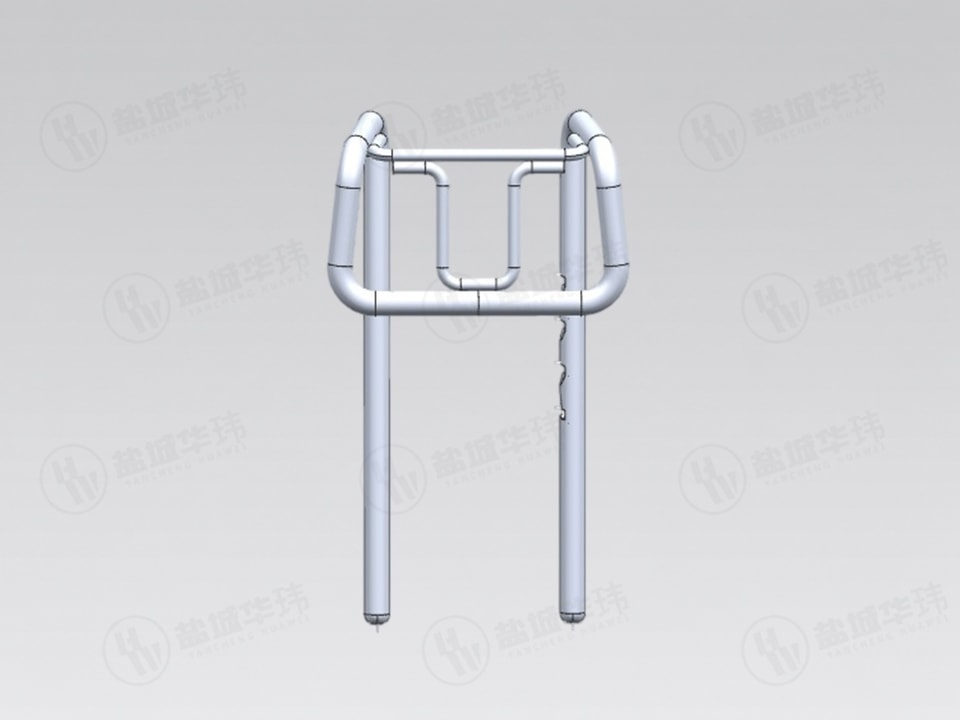
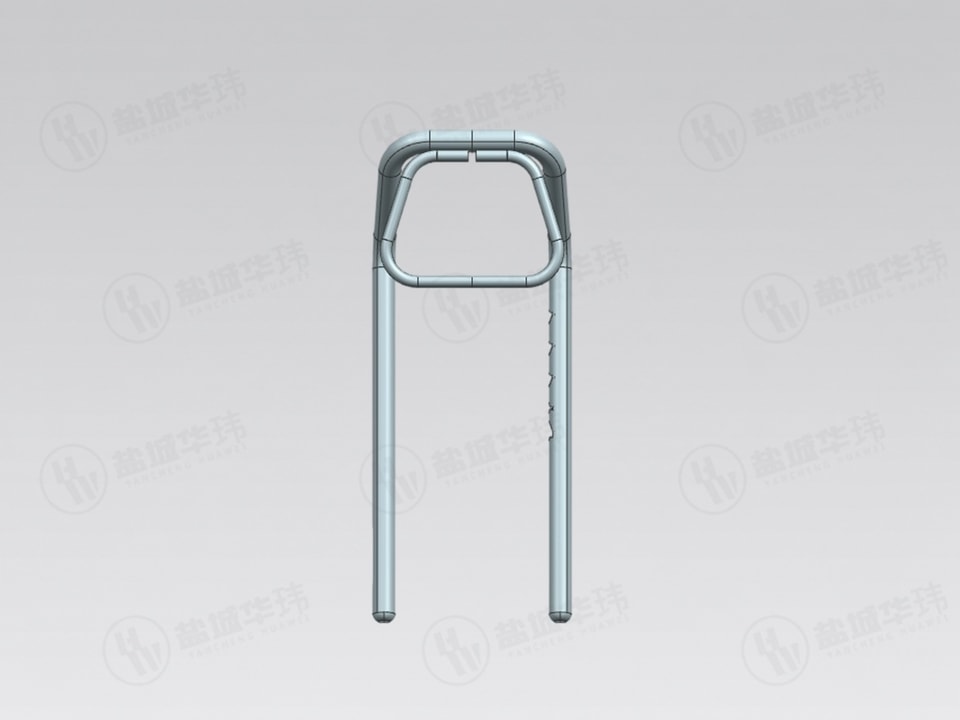
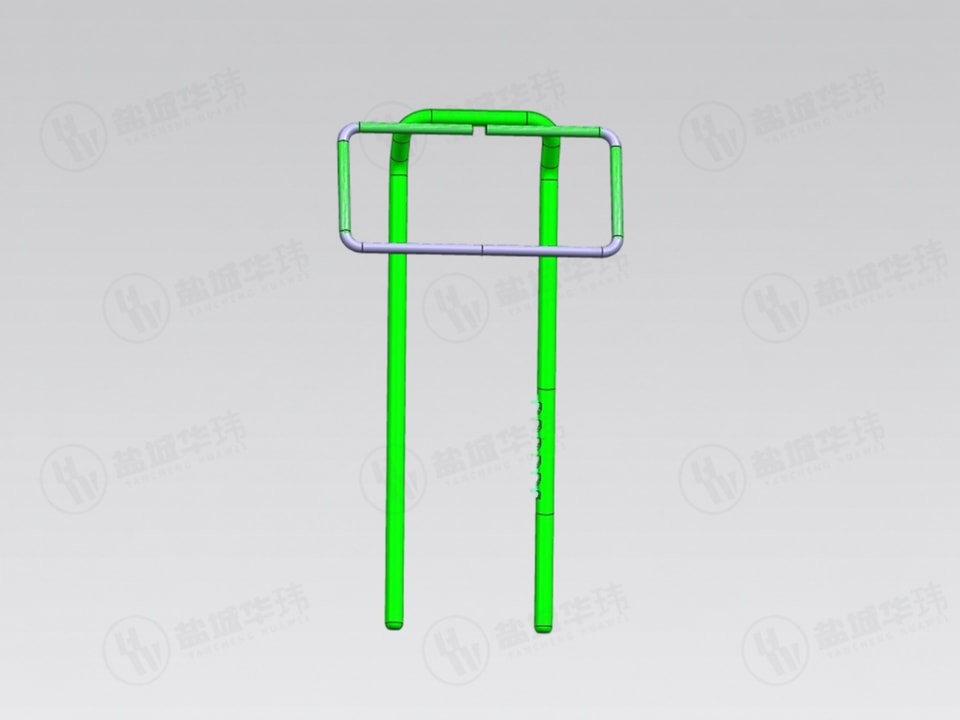
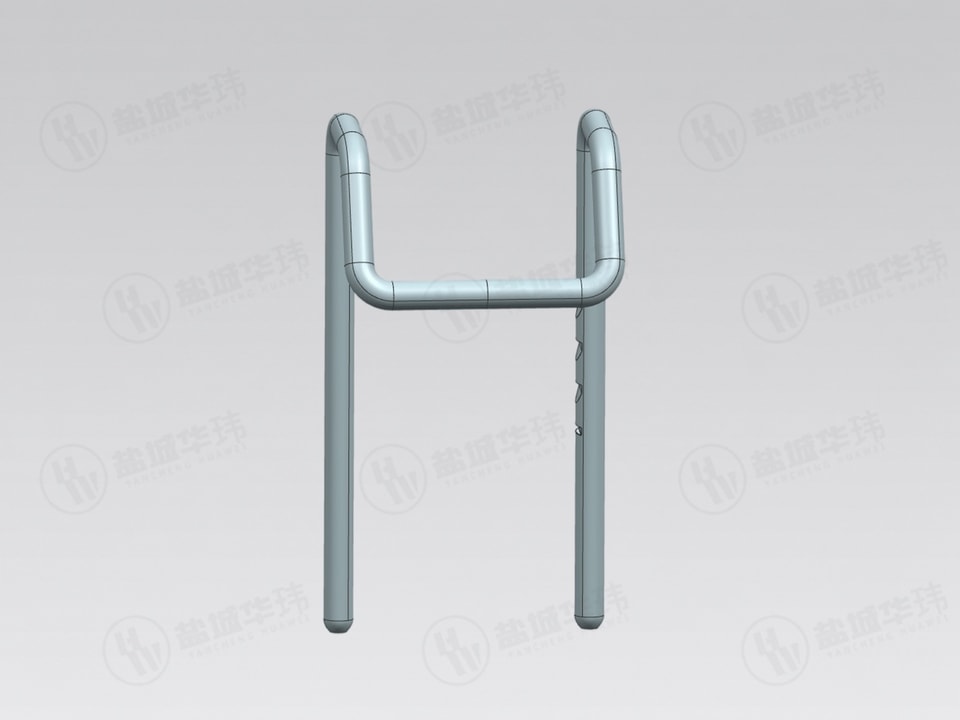
The R13 bend forms part of the rod’s installation geometry. Its radius, angle, and location must correspond to the headrest design. Consistent forming helps maintain the required relationship between the insertion sections and the upper support structure, supporting accurate assembly with mating parts.
Controlled Forming Quality
Tube bending requires control of the material and process. Depending on the specification, inspection may address ovality, local flattening, wall thinning, and surface condition around the bend. Suitable tooling and process settings help produce the required shape without unacceptable forming defects.
Accurate Mounting Dimensions
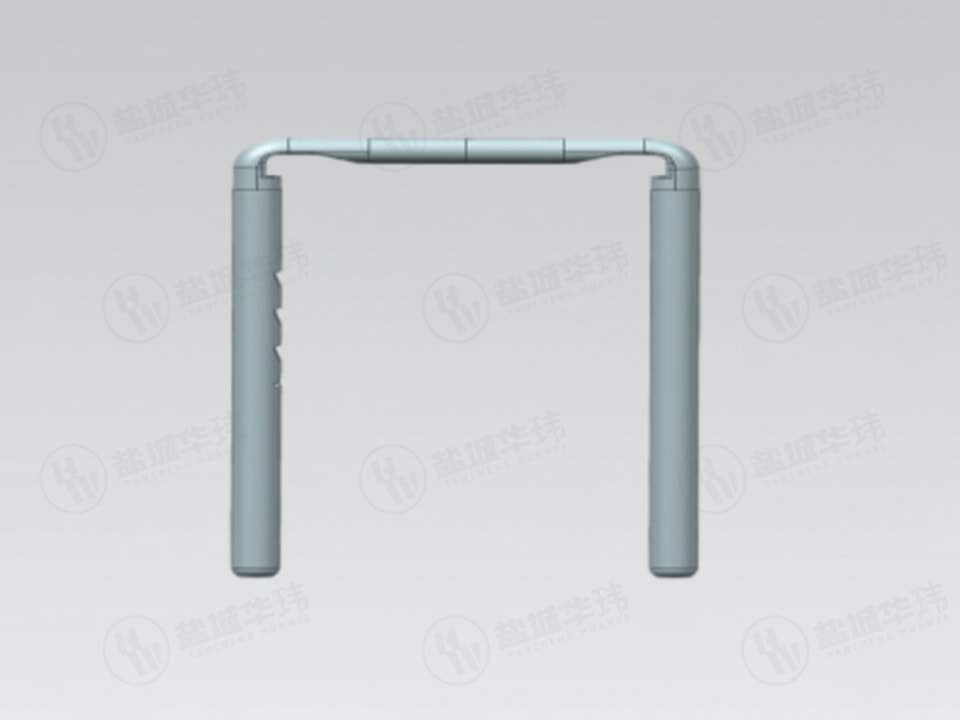
Straightness, parallelism, rod spacing, and insertion length influence fit within the guide sleeves. These dimensions should be checked after forming because bending can affect the completed geometry. Fixtures and measuring equipment can verify conformity to drawing requirements.
Consistent Surface Finish
Surface quality matters at both the bends and insertion sections. Burrs, scratches, roughness, and coating defects should be controlled against agreed acceptance criteria. Where a protective or decorative finish is specified, it must suit the material and the component’s functional interfaces.
Application-Specific Engagement Features
Some versions may incorporate notches or other features for headrest adjustment and retention. Their dimensions and positions must match the locking mechanism. Functional checks should use the intended guide sleeves and related components to verify the specified operation.
Applications
These rods are intended for compatible rear outboard headrest assemblies in passenger vehicles, including sedans, hatchbacks, SUVs, and MPVs. The R13 bend may be specified where the headrest structure requires a particular curved connection between its support and insertion sections.
Headrest manufacturers and seat suppliers can use prototype parts for dimensional evaluation and installation trials. Production approval should establish the drawing revision, material, surface finish, inspection criteria, and packaging requirements. Protective packaging helps prevent deformation and surface damage during delivery.
Frequently Asked Questions
1. What does R13 mean?
R13 generally denotes a radius of 13 in the drawing’s stated units, commonly millimeters. Confirm whether it refers to the centerline, inside, or another defined radius.
2. Does R13 determine the entire rod shape?
No. Bend angle, tangent lengths, diameter, spacing, and other dimensions also define the component. The complete drawing is necessary for manufacturing.
3. Can the bend radius be changed?
A different radius requires engineering review. Changes can affect fit, forming feasibility, and mating-part alignment, so revised samples should be evaluated before approval.
4. What should be inspected around the bend?
Relevant checks may include radius, angle, ovality, flattening, wall condition, and surface defects. Acceptance limits depend on the customer’s specification.
5. Are left and right versions interchangeable?
Only if the approved design confirms this. Similar appearance does not establish identical geometry, engagement features, or seating-position compatibility.
6. What information is needed for quotation?
Provide drawings, revision details, material, diameter, wall thickness, finish, quantity, and inspection requirements. Samples can help clarify interfaces.
7. How is performance verified?
Dimensional inspection establishes component conformity. Functional and structural performance should be evaluated within the designated headrest and seat assembly.
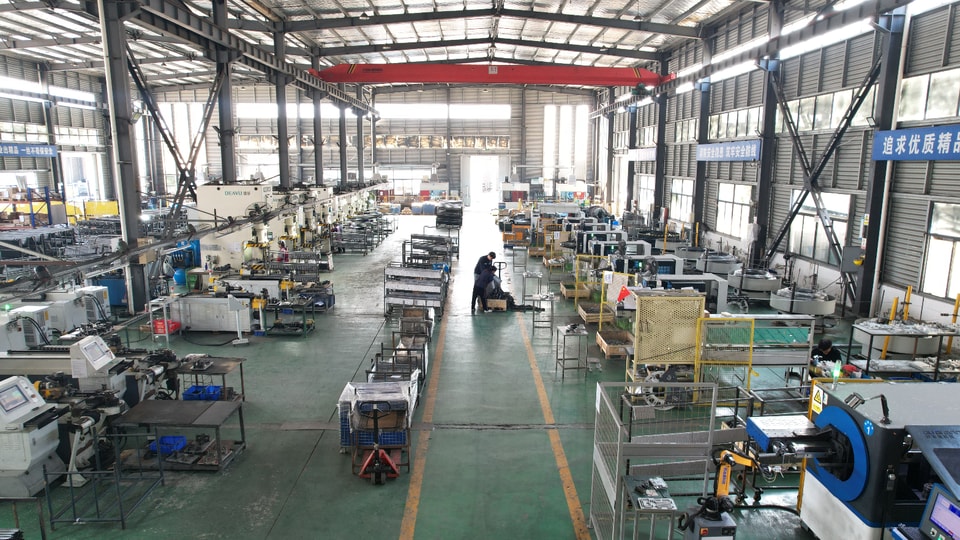
Workshop Gallery
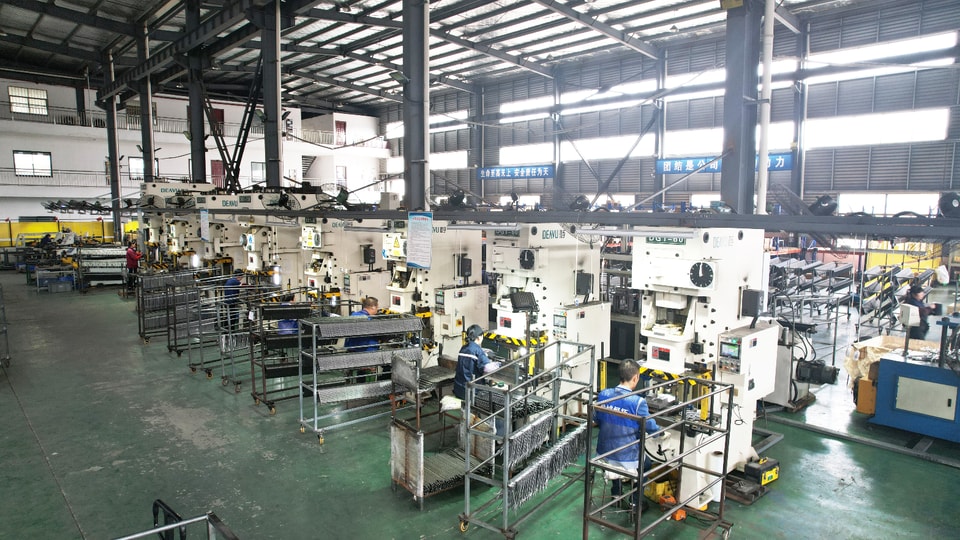
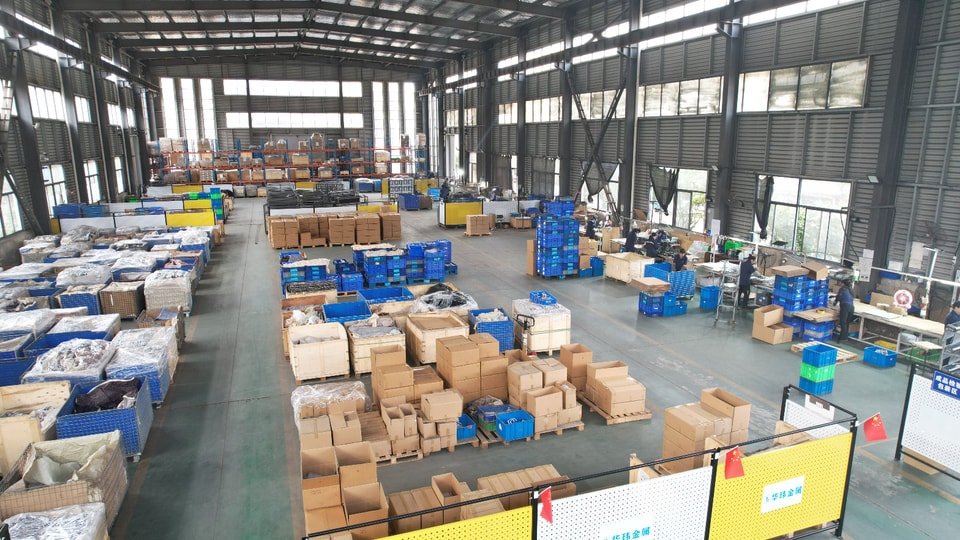
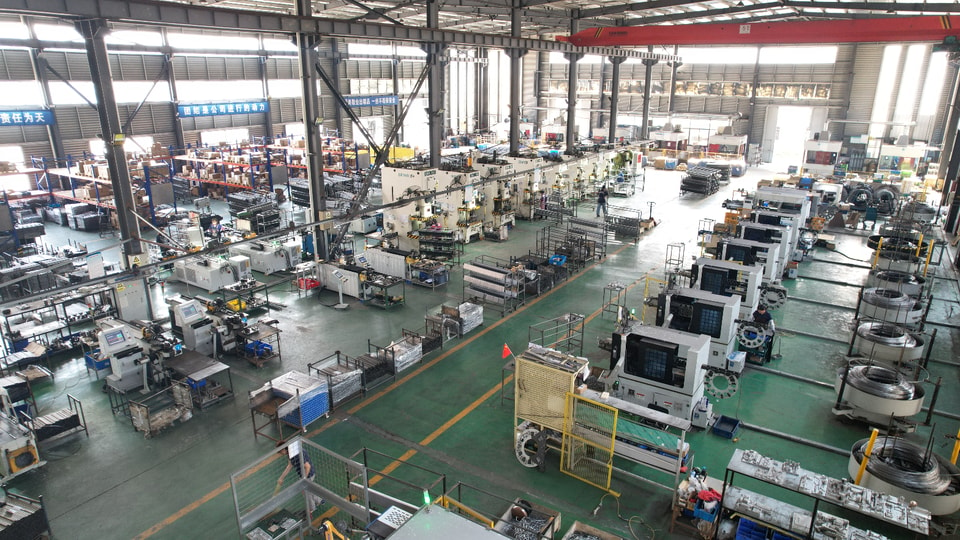
Related Products